
A Homeowner’s Guide to Restoring Masonry on a House Built Before 1940 in Toronto
Owning an older Toronto home comes with character, craftsmanship, and materials that deserve the right care. Houses built before 1940 often have masonry systems that perform very differently from newer construction, and they should not be repaired with a one-size-fits-all approach.
In Toronto, age is only part of the issue. Freeze-thaw cycles, moisture, and decades of patchwork repairs can all take a serious toll on older brickwork, chimneys, mortar joints, and stone details. What looks like a small masonry problem can become a much larger restoration job if it has been repaired the wrong way before.
If your Toronto home was built before 1940, here is what you should know before planning masonry restoration.
Why Older Toronto Homes Need a Different Masonry Approach
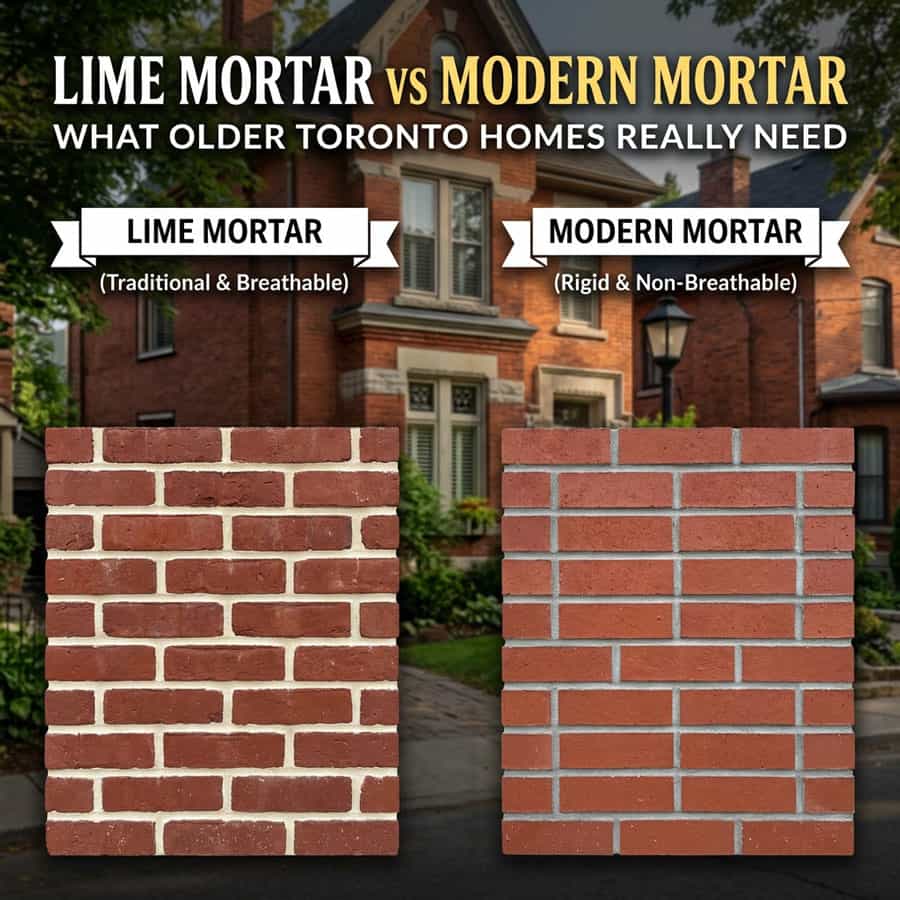
Many pre-1940 Toronto homes were built with softer brick and more breathable mortar than what is commonly used today. These materials were designed to work together, allowing moisture to move through the wall and escape naturally.
When older masonry is repaired with the wrong mortar or modern methods that do not suit the original wall, the brick itself can begin to fail. That is why masonry restoration on an older home is not just about patching visible damage. It is about understanding how the wall was originally built and how to repair it properly.
Older Toronto homes may include:
- soft or handmade brick
- lime-based mortar
- solid masonry walls
- original chimneys with aging joints
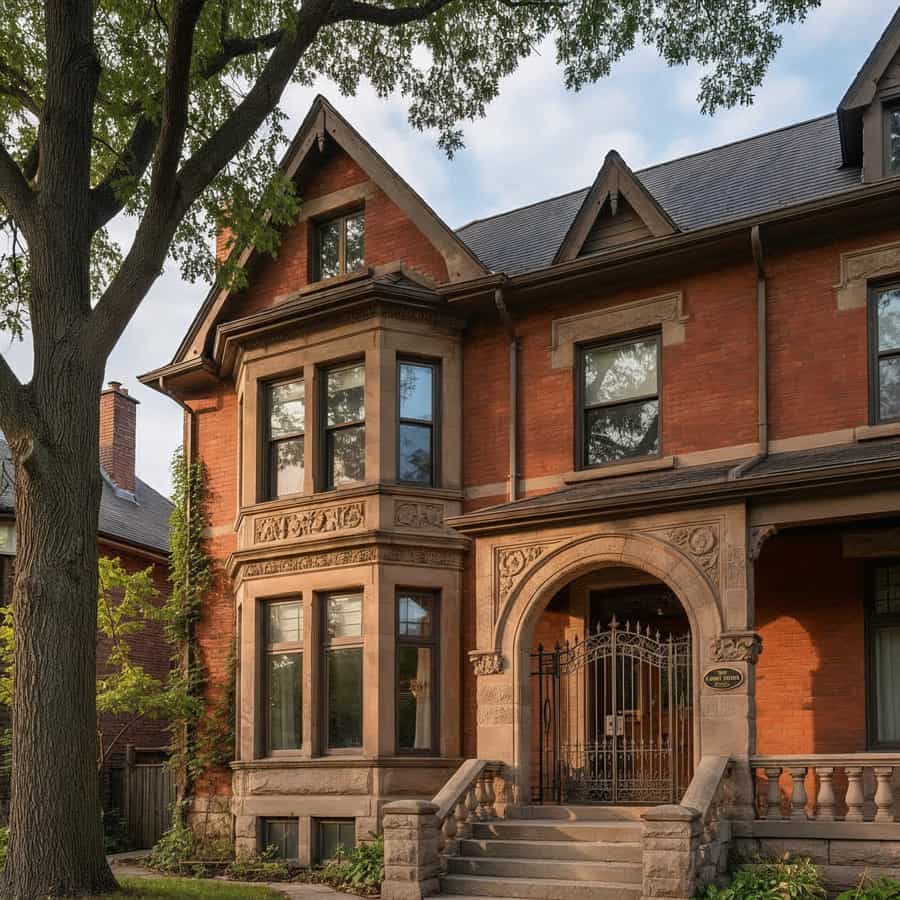
- decorative brickwork or stone sills
- previous repairs that do not match the original materials
Common Masonry Problems in Houses Built Before 1940
Even well-built masonry will show wear over time. In Toronto, older homes often develop similar issues after years of weather exposure and earlier repairs.
Common masonry problems include:
- deteriorated mortar joints
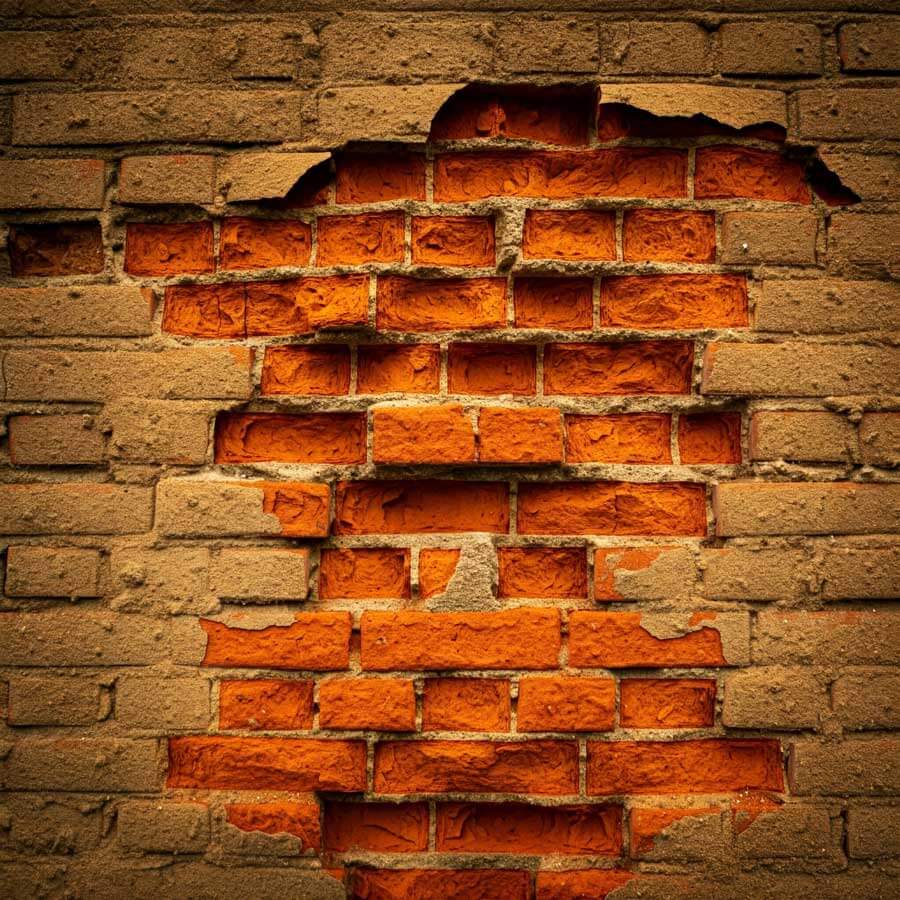
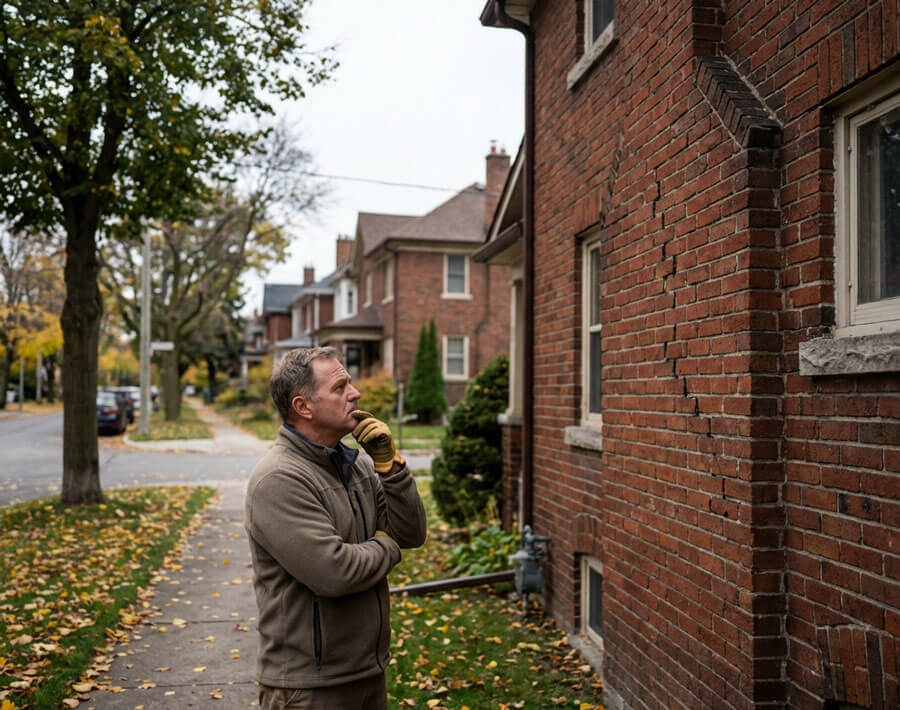
- cracked or spalling brick
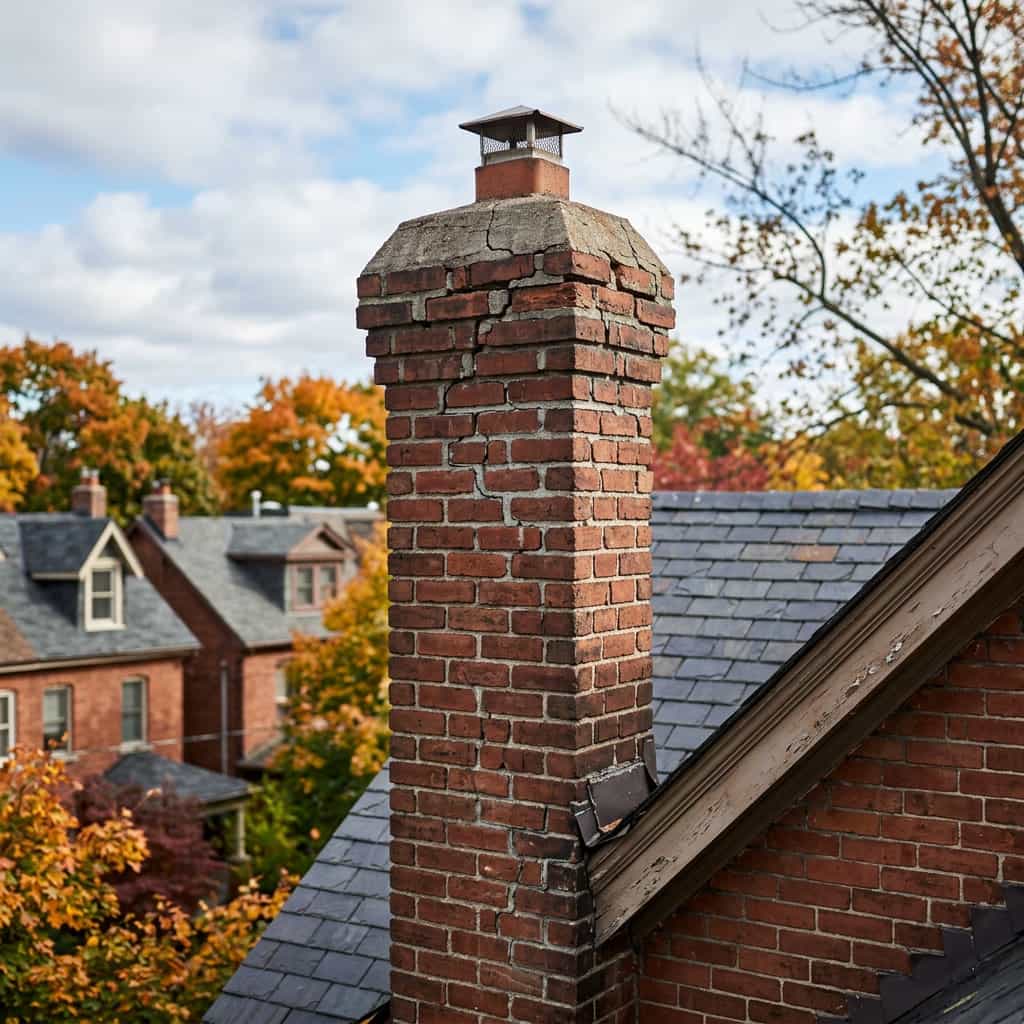
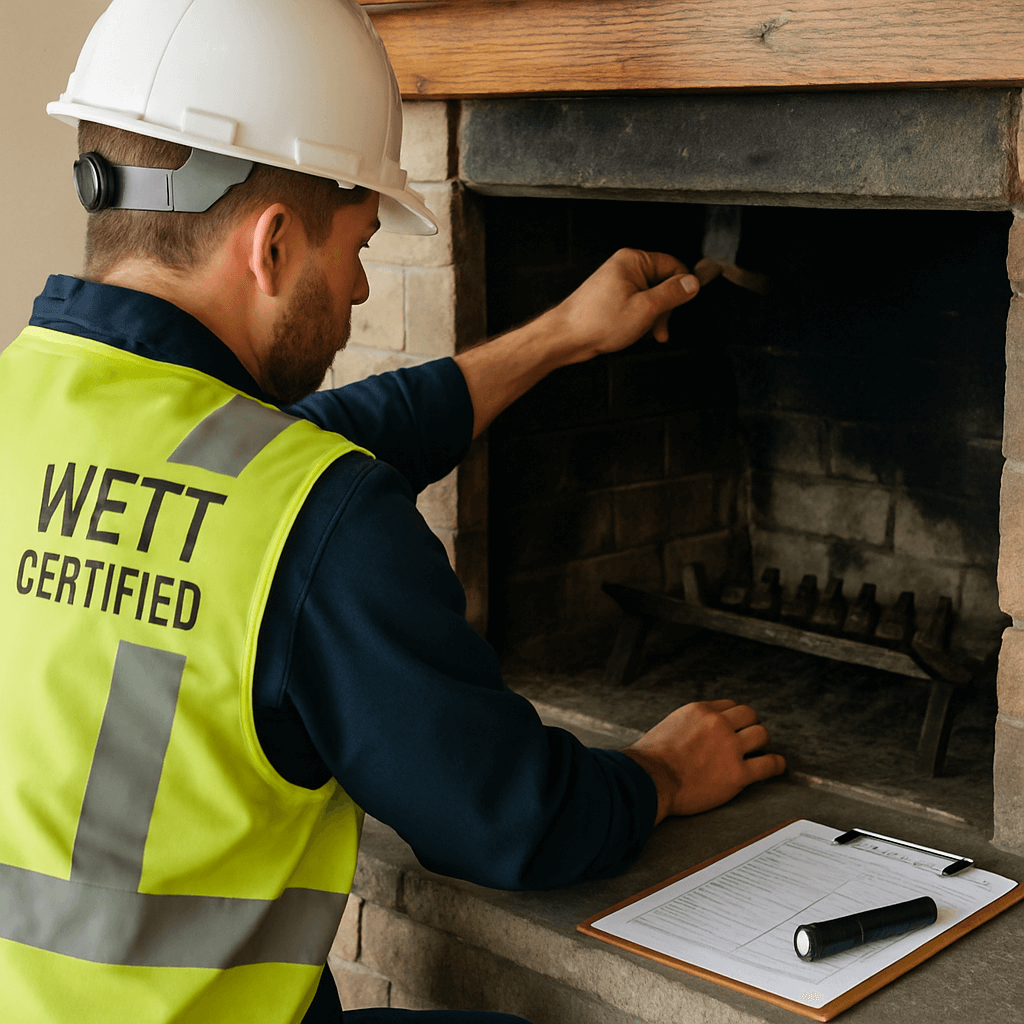
- chimney deterioration
- water infiltration through masonry
- failing stone sills or coping
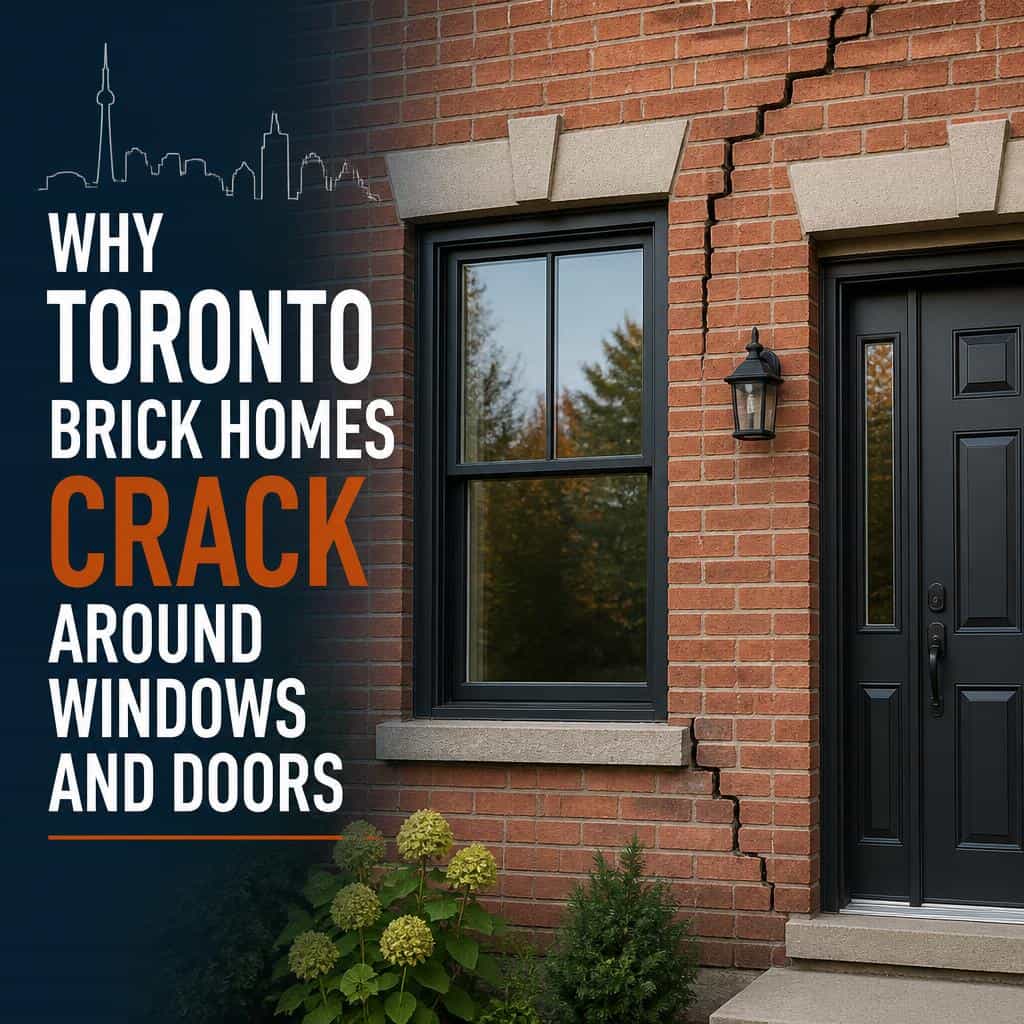
- brick movement around doors and windows
- poorly matched past repairs
- recurring cracks in the same area
Some problems are mainly cosmetic. Others are signs of deeper moisture or structural issues. The challenge is that older masonry problems often start small and get worse quietly.
Start With the Mortar, Not Just the Brick
One of the most important parts of restoring an older Toronto home is understanding the mortar. On many pre-1940 houses, the original mortar is softer and more breathable than modern cement-heavy mixes.
That is not a weakness. It is part of how the wall was intended to function.
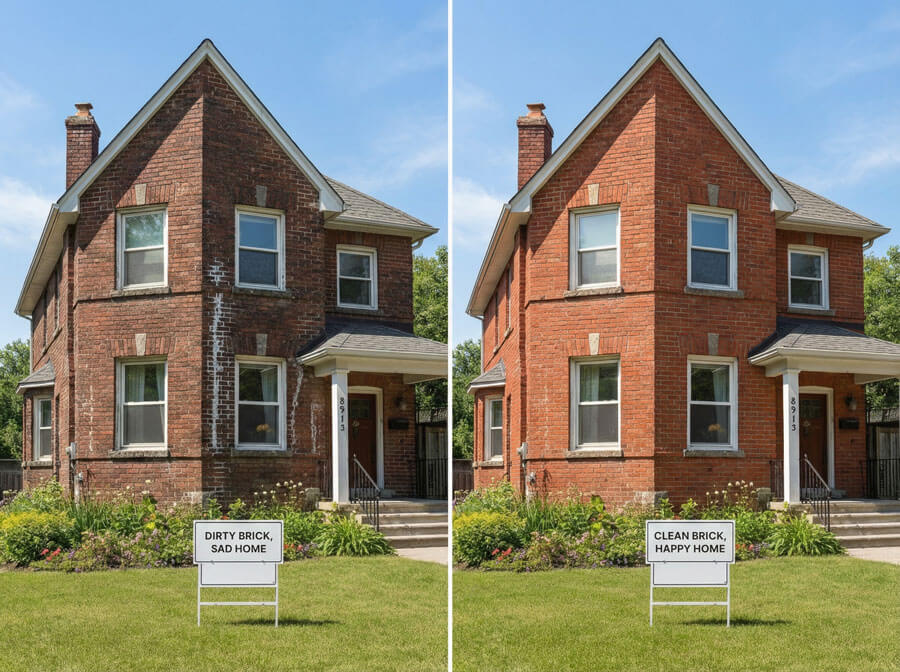
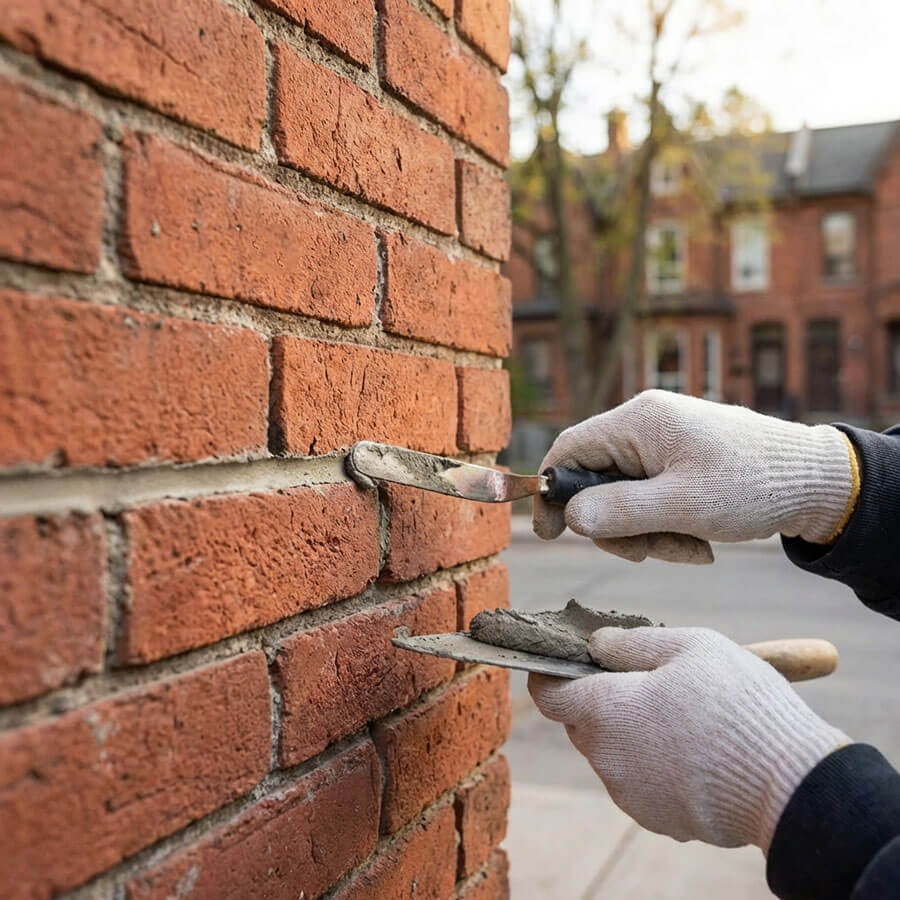
When mortar joints wear out, they often need repointing with a compatible mortar. If the new mortar is too hard, it can push stress and moisture into the surrounding brick. Over time, that can lead to cracking, flaking, and brick failure.
Proper tuckpointing is one of the most important steps in heritage-style masonry restoration.
Not Every Damaged Brick Needs to Be Replaced
Homeowners sometimes assume that every worn brick has to be removed. That is not always the right approach.
With older masonry, the goal is usually to preserve as much original material as possible while restoring strength, function, and appearance. Selective brick replacement may be needed where bricks are severely deteriorated, loose, or broken. In other cases, careful restoration can save more of the original wall.
When bricks do need replacement, matching matters. Size, texture, colour variation, and absorption rate all affect how natural the repair looks and how well it performs over time.
Toronto Weather Is Tough on Older Masonry
Toronto weather is hard on all masonry, but older homes are especially vulnerable when moisture gets into the wall system. Freeze-thaw cycles, driving rain, and temperature swings can wear down mortar joints and damage brick faces over time.
Moisture is often the real culprit. When water gets trapped in masonry and cannot escape properly, winter can cause serious deterioration. Mortar begins to fail, brick starts to spall, and chimneys or parapets can become unstable.
Good masonry restoration in Toronto is not just about how the wall looks. It is about helping older masonry manage moisture properly.
Chimneys, Sills, and Details Often Fail First
On many older Toronto homes, the first visible signs of masonry trouble appear in chimneys, stone window sills, brick arches, coping stones, and decorative details.
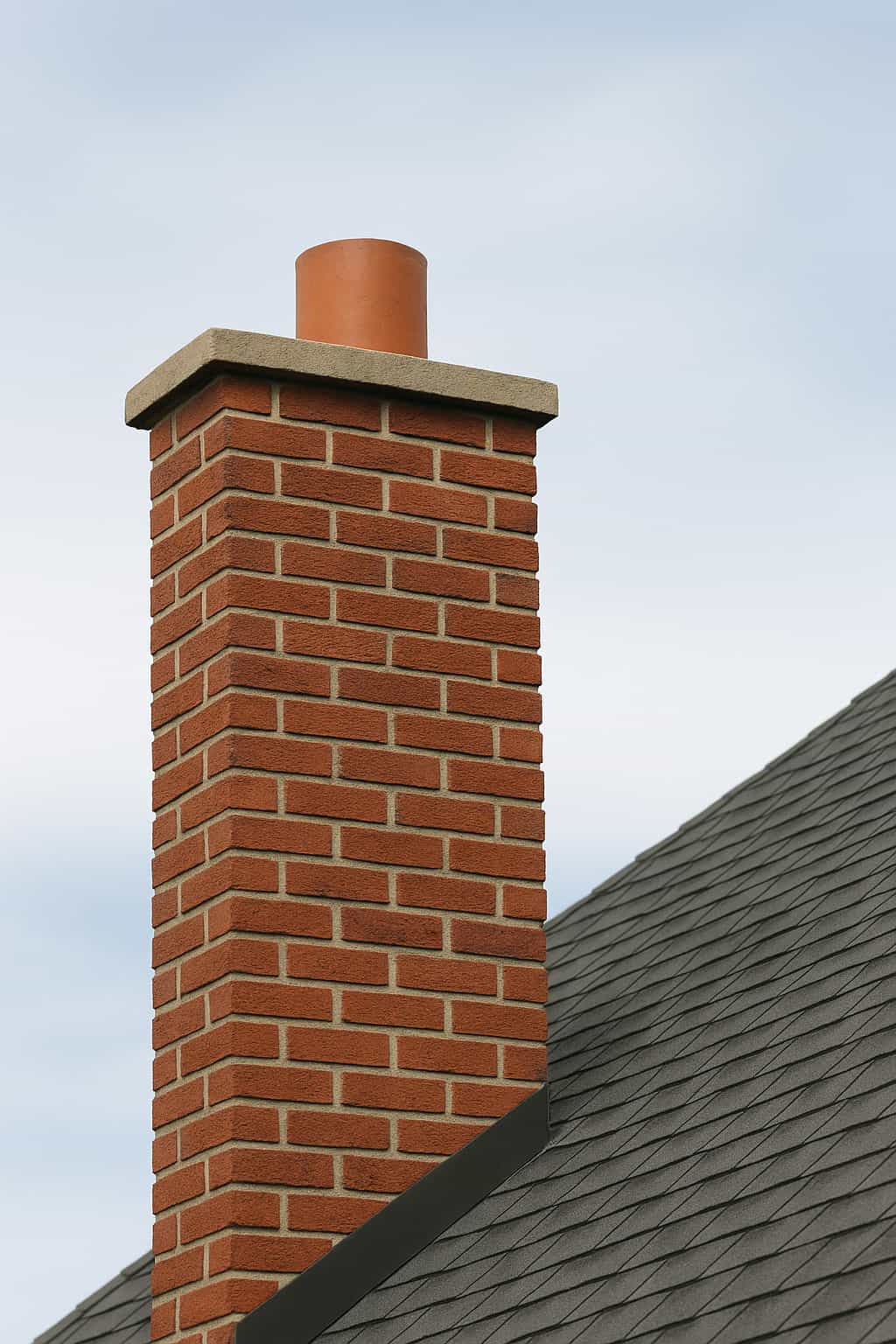
These parts of the home are more exposed and often take the worst of the weather. A chimney with open mortar joints or loose bricks may seem minor from the ground, but it can quickly turn into a larger repair if left alone.
Stone and decorative masonry features also deserve special care. Poor replacement work can hurt both the appearance and value of an older home.
Bad Previous Repairs Can Do More Damage Than Age
One of the biggest problems on older Toronto homes is not just age. It is bad repair work done years earlier.
Common examples include:
- hard cement mortar used on soft brick
- sloppy tuckpointing
- bricks that do not match in size or texture
- patch repairs that ignore the real cause of cracking
- coatings or sealants that trap moisture
- rebuilding work that looks out of place on the home
Poor repairs often make future restoration more difficult and more expensive.
Restoration Is Not the Same as Renovation
This is an important distinction. Renovation is often about updating appearance. Restoration is about preserving and repairing existing materials in a way that respects how the home was originally built.
For houses built before 1940, that difference matters.
A restoration-minded masonry contractor should focus on:
- material compatibility
- preserving original masonry where possible
- matching new work carefully to old work
- repairing causes, not just symptoms
- protecting the visual character of the home
The goal is not to make the house look brand new. It is to restore it properly.
When Repointing, Repair, or Rebuilding Makes Sense
Every older masonry home is different. Some issues can be addressed with tuckpointing and selective repair. Others require localized rebuilding, especially where there is severe deterioration or structural movement.
In general:
- repointing helps when mortar joints are worn but surrounding brick is still sound
- selective brick replacement helps where isolated bricks have failed
- rebuilding may be needed for unstable chimneys, parapets, or badly deteriorated sections
- detailed restoration work may be needed where original masonry features must be preserved or recreated
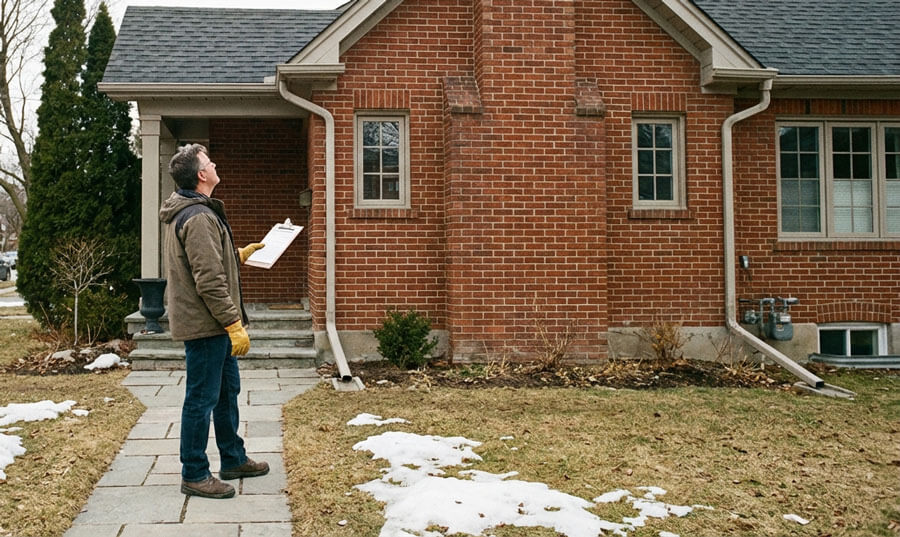
A proper assessment matters because over-repairing can be just as careless as under-repairing.
Older Toronto Neighbourhoods Often Need Special Masonry Care
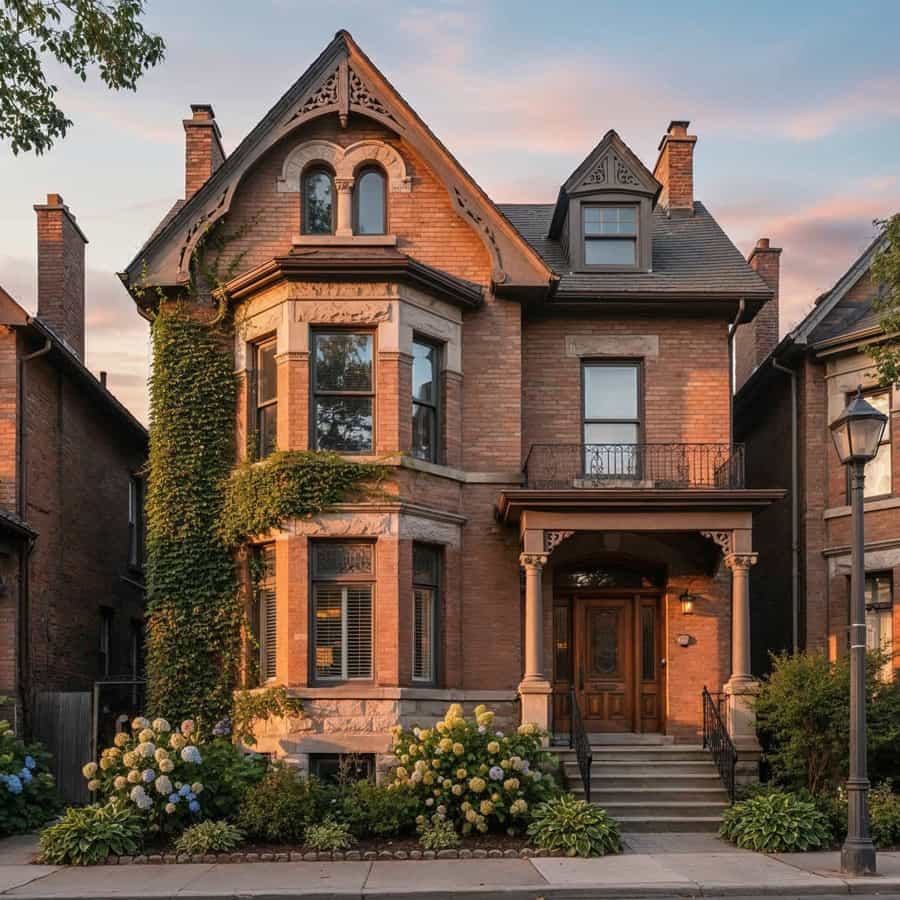
Toronto has many neighbourhoods with older housing stock where masonry restoration is common. Areas such as The Annex, Cabbagetown, Riverdale, High Park, East York, Leaside, Rosedale, and parts of Old Toronto often feature brickwork and masonry details that deserve a careful approach.
These homes often have strong original construction, but they also carry the effects of decades of weather, settlement, and past repairs that may not have respected the original materials.
What to Look for Before Hiring a Masonry Contractor
If you are restoring a Toronto home built before 1940, experience matters. Older masonry requires a different mindset than standard repair work.
Look for a masonry contractor who understands:
- older Toronto homes
- mortar compatibility
- proper tuckpointing
- matching original brick and details
- chimney and decorative masonry restoration
- moisture-related masonry damage
- the difference between repair and restoration
If the proposed solution sounds overly simple, that is usually a red flag.
Why Early Repairs Save Money
Masonry problems on older homes rarely improve on their own. A few open joints, a cracked chimney, or early brick spalling can lead to much bigger repairs if ignored.
Acting early can help prevent:
- larger areas of brick replacement
- deeper water infiltration
- extensive chimney rebuilding
- damage around windows and doors
- higher restoration costs later
With old masonry, delay usually gets expensive.
Protecting the Character of an Older Toronto Home
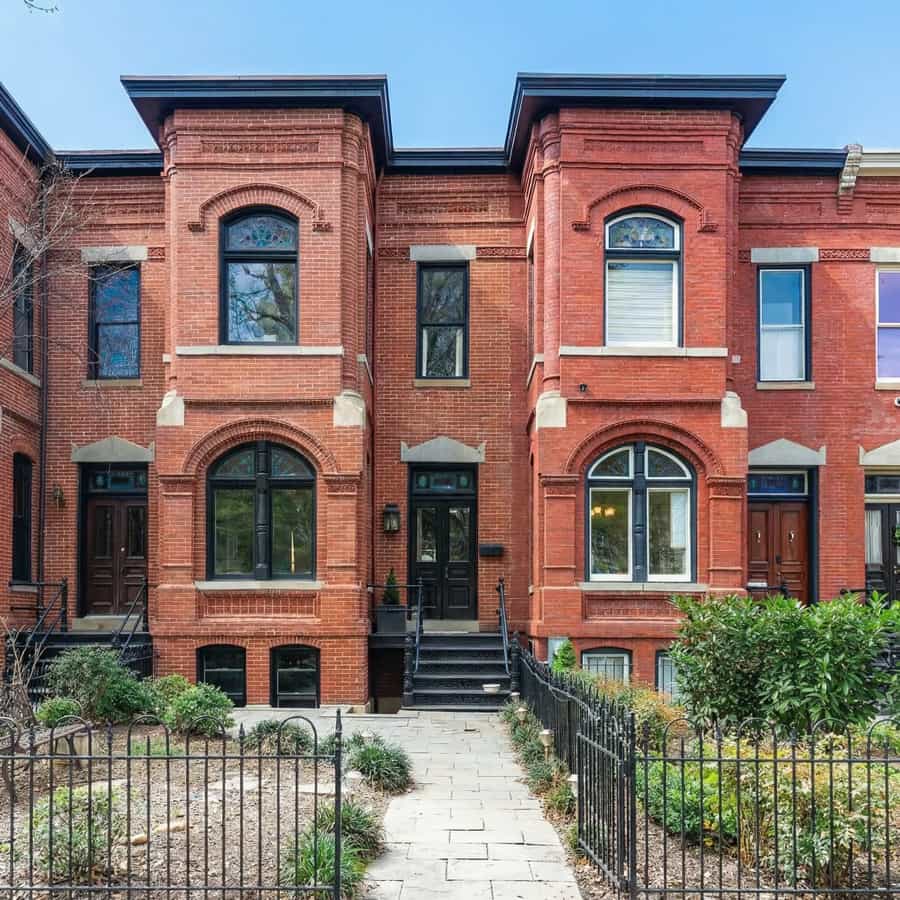
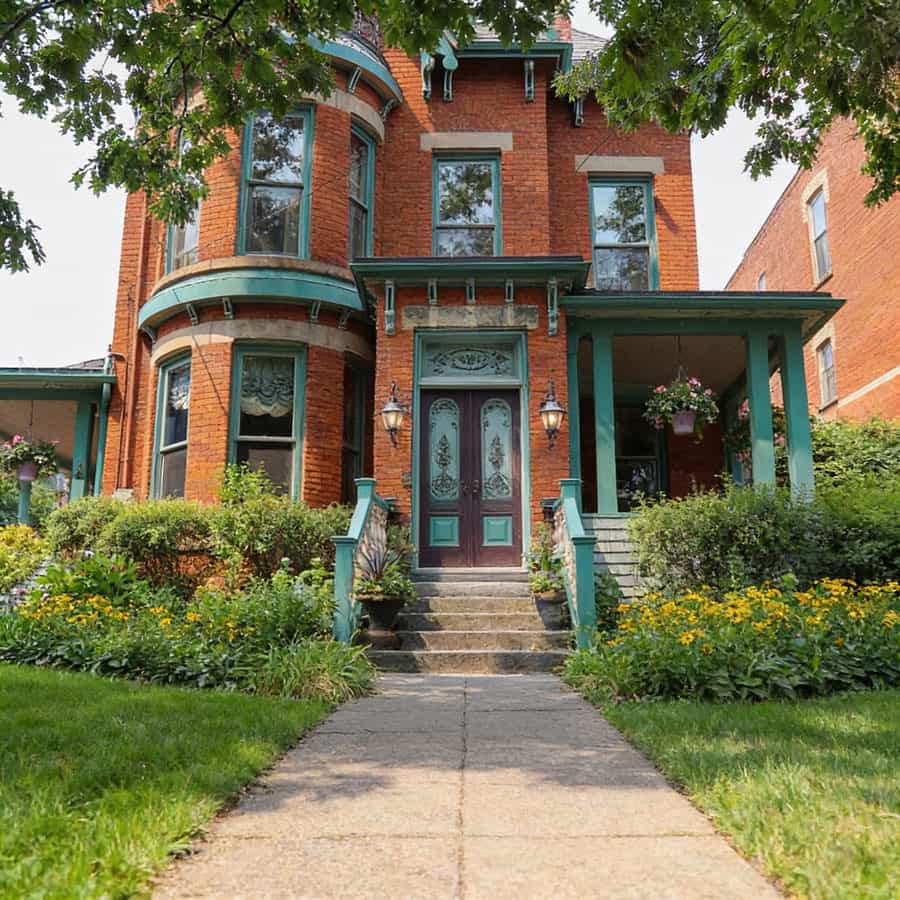
A house built before 1940 is more than just another property. It is often part of the architectural character of its neighbourhood. Good masonry restoration protects not only the wall, but also the appearance, value, and long-term integrity of the home.
Done properly, restoration should strengthen the masonry, preserve original features where possible, and keep the home looking authentic rather than overdone.
Work With a Masonry Contractor Who Understands Older Toronto Homes
At Bowman Masonry, we understand that restoring older masonry is about more than patching visible damage. It requires careful assessment, compatible materials, and craftsmanship that respects the original character of the home.
If your Toronto home was built before 1940 and you are seeing cracked mortar, damaged brick, chimney deterioration, or signs of earlier repairs failing, Bowman Masonry can help you determine the right next steps.
CTA
Need masonry restoration for an older Toronto home? Contact Bowman Masonry to assess your brickwork, chimney, or heritage masonry and recommend the right repair approach.