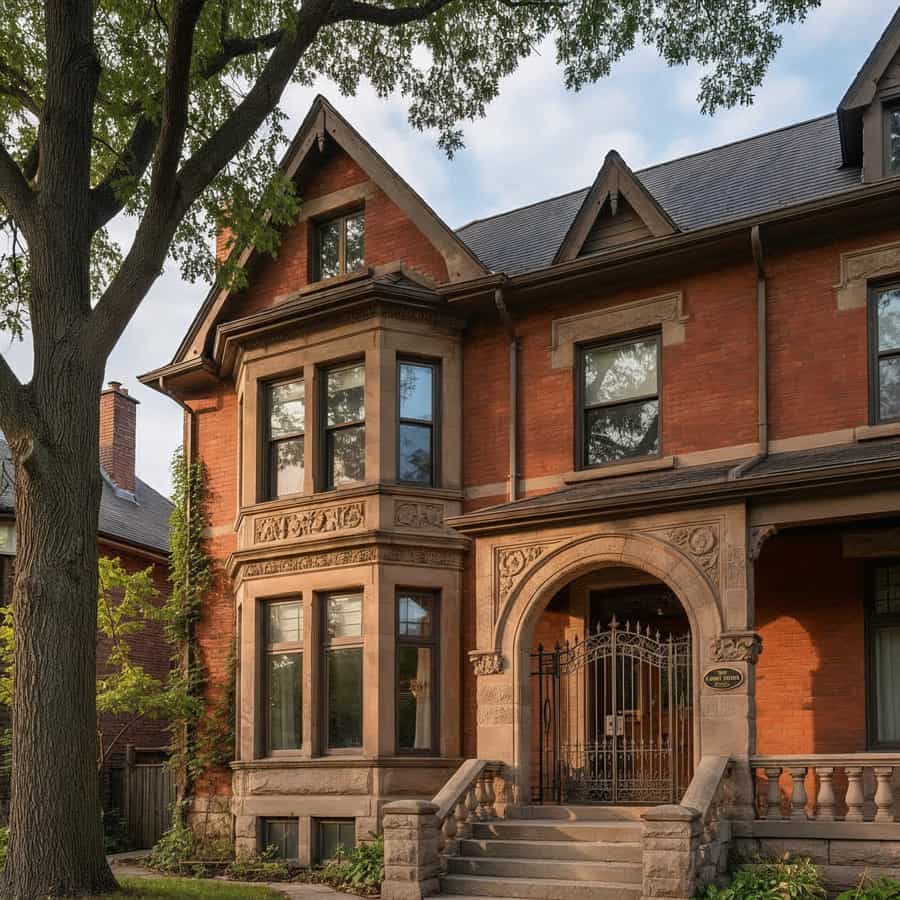

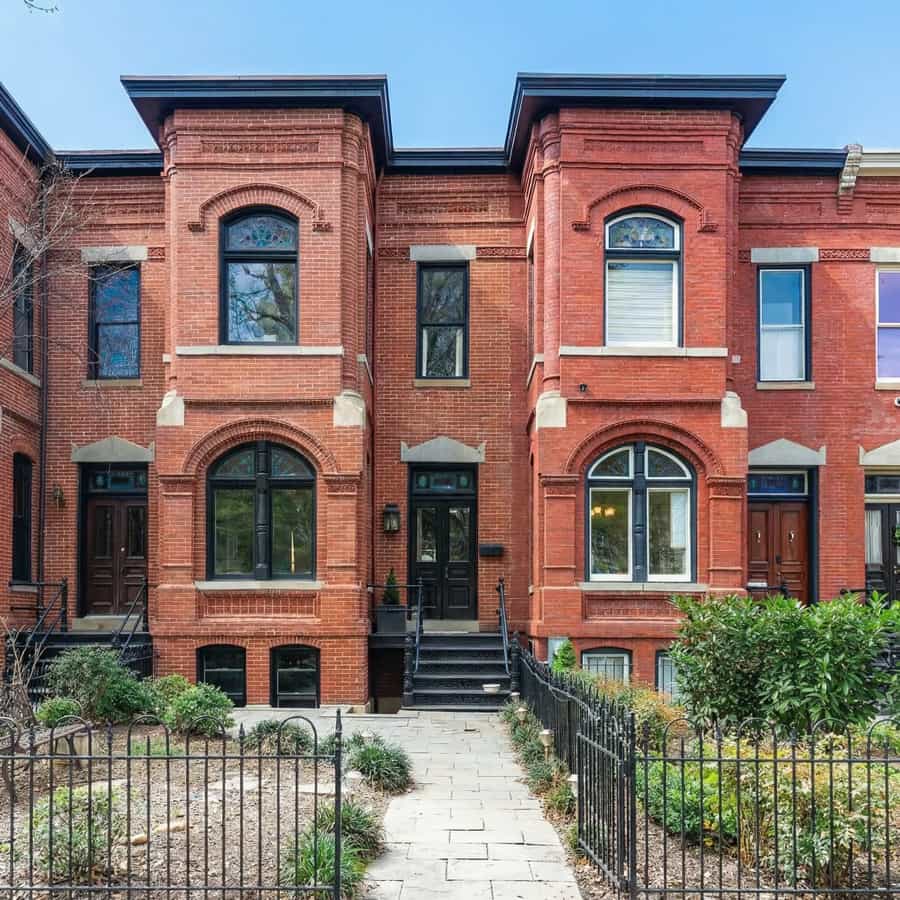
How to Spot a Bad Heritage Brick Repair Before It Gets Worse? Older brick homes in Toronto have character, craftsmanship, and materials that deserve proper care. But when heritage brickwork is repaired the wrong way, the damage is often made worse instead of better. What looks fine from the ground can actually trap moisture, accelerate brick failure, and create a much more expensive restoration later on.
Many homeowners assume that if the cracked area was patched, the problem was solved. Unfortunately, bad heritage masonry repairs often fail quietly at first. The wrong mortar, poorly matched bricks, sloppy joint work, or hard cement repairs on soft old masonry can all create trouble that becomes more visible over time.
If your home has had brickwork repaired in the past, here are some of the clearest signs that the repair may not have been done properly.
1. The Mortar Looks Too Hard, Smooth, or Bright
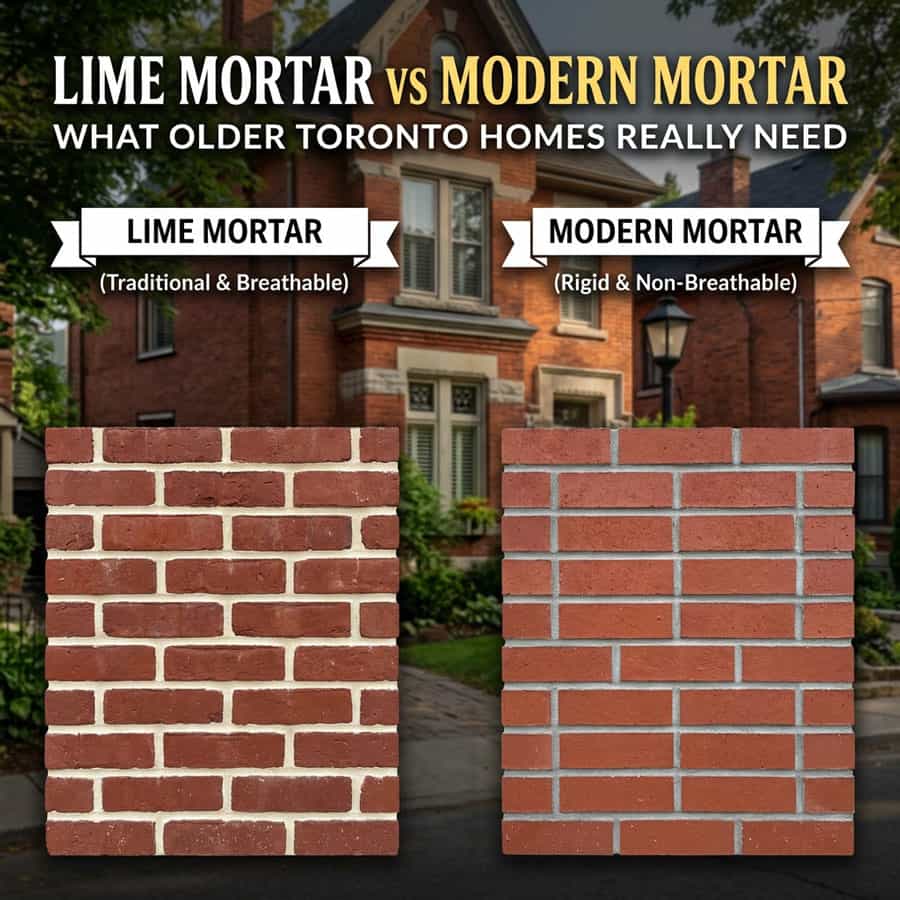
One of the most common problems in heritage masonry repair is using modern mortar that is too hard for older brick. Many older Toronto homes were built with softer brick and more breathable mortar. When a repair uses a strong modern cement mix, it can prevent the wall from handling moisture the way it was originally designed to.
This can force stress into the brick itself rather than the mortar joints. Over time, the brick may begin to crack, flake, or break down around the repair area.
You may notice:
- mortar joints that look unusually hard or dense
- a smooth finish that does not match the original work
- mortar that is much lighter or brighter than the surrounding wall
- repaired areas that stand out too sharply from the rest of the brickwork
On older homes, stronger is not always better. In heritage restoration, the goal is compatibility, not brute force.
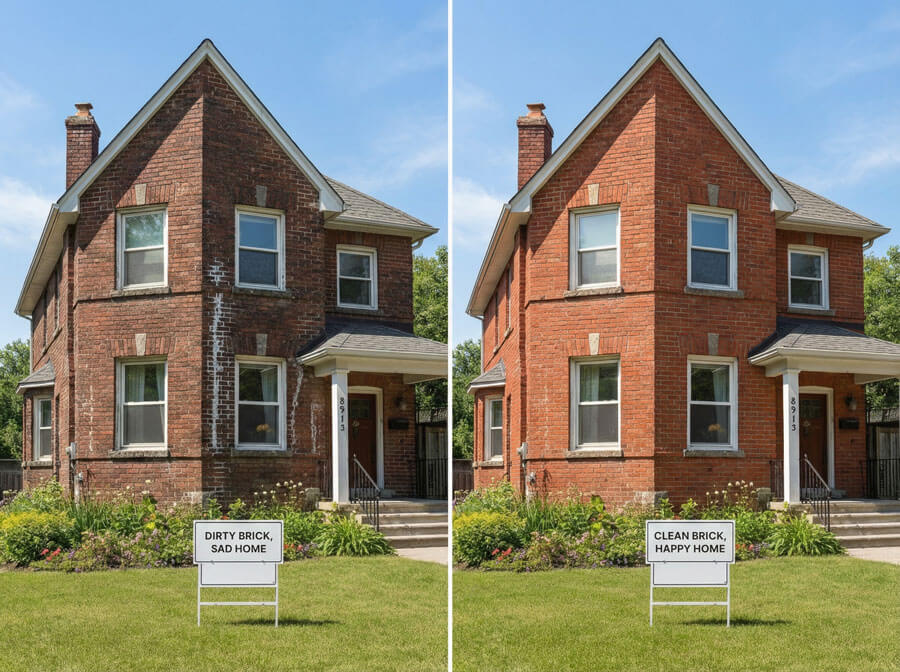
2. The Repaired Area Does Not Match the Original Brickwork
A good heritage repair should blend with the existing masonry as naturally as possible. It should respect the age, colour variation, texture, joint style, and layout of the original wall. If the repair looks obvious from a distance, that is often a sign that little care was taken in matching materials or detailing.
Poor matching can include:
- bricks that are too new-looking or too uniform in colour
- mortar joints that are too thick, too thin, or shaped differently
- replacement bricks with the wrong size or texture
- repairs that interrupt the visual pattern of the original masonry
This may seem cosmetic at first, but it often points to a deeper issue. If the contractor did not care about visual compatibility, they may also have ignored material compatibility.
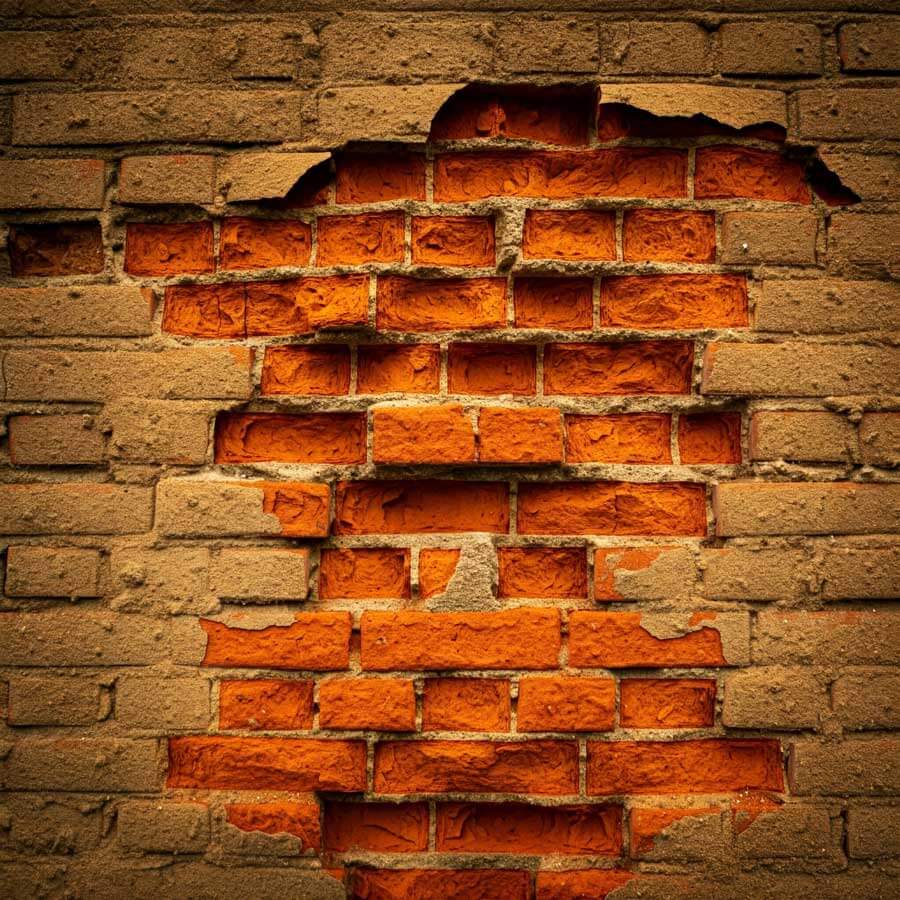
3. The Brick Is Starting to Flake or Break Near the Repair
If the brick around a previous repair is peeling, flaking, or crumbling, that is a serious warning sign. This often happens when moisture is being trapped in the wall and the brick is taking the punishment.
In many heritage homes, the mortar is supposed to be the sacrificial material. It should be the part that wears first and can be replaced. When the wrong mortar is used, the brick can become the weak link.
Watch for:
- surface flaking on the brick face
- corners breaking off
- powdering or crumbling brick near patched areas
- damage that seems worse after winter
Freeze-thaw cycles in Toronto are not gentle. If moisture gets trapped in old brick, winter tends to finish the argument.
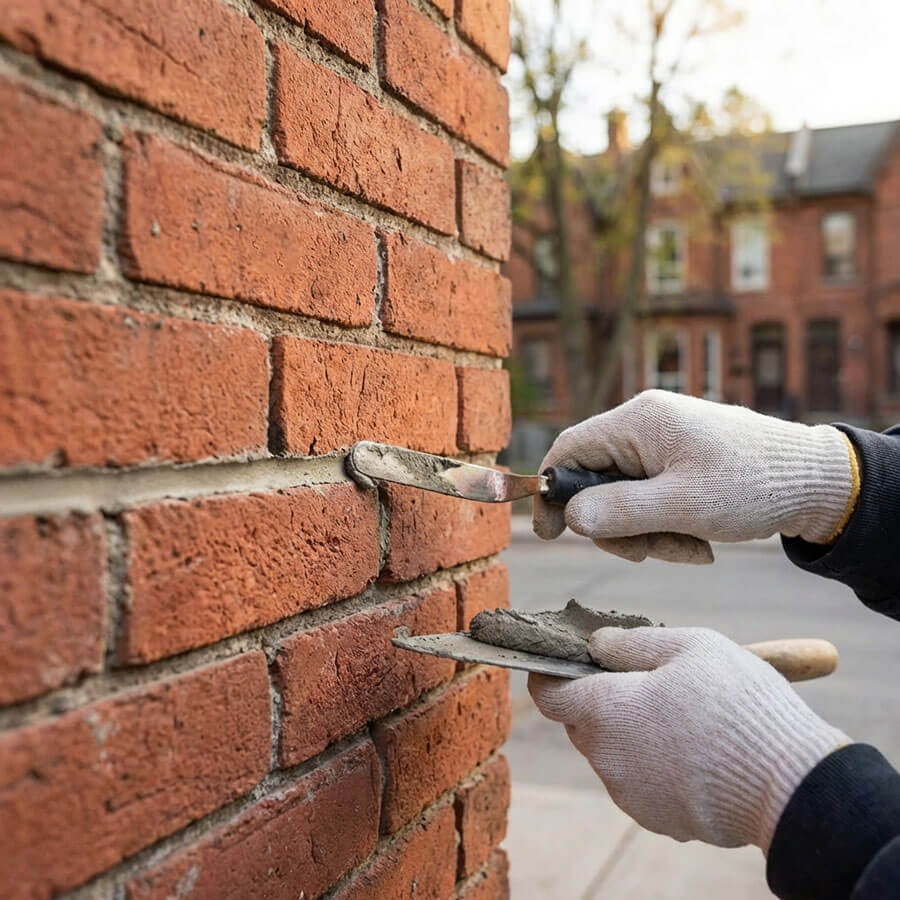
4. The Tuckpointing Looks Messy or Uneven
Good tuckpointing should not draw attention to itself. On a heritage property, the repaired joints should look neat, consistent, and appropriate for the age of the home. Sloppy joint work usually means rushed workmanship and poor attention to detail.
Signs of poor tuckpointing include:
- mortar smeared onto brick faces
- uneven joint lines
- inconsistent joint depth
- joints that are too full, too shallow, or oddly shaped
- repairs that look bulky or overfilled
Beyond appearance, badly finished joints can also affect how watersheds from the wall.
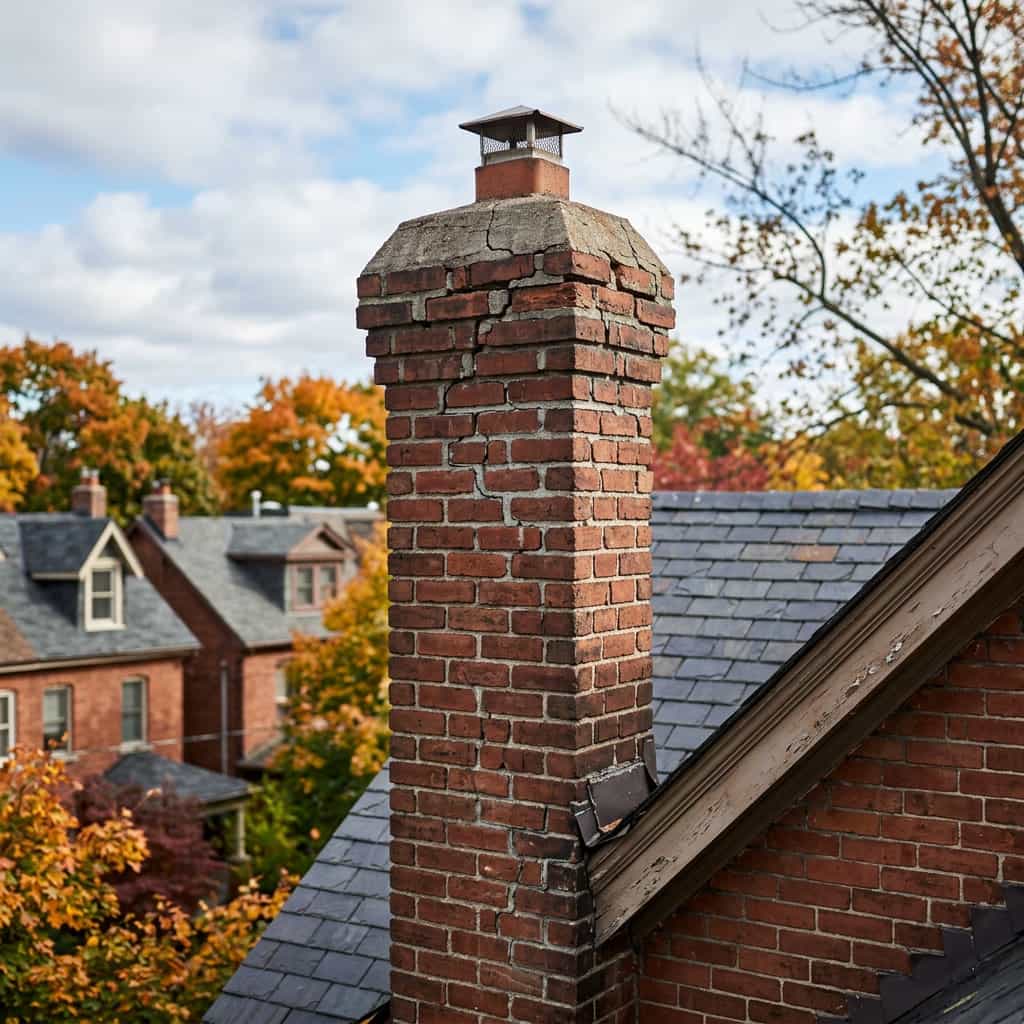
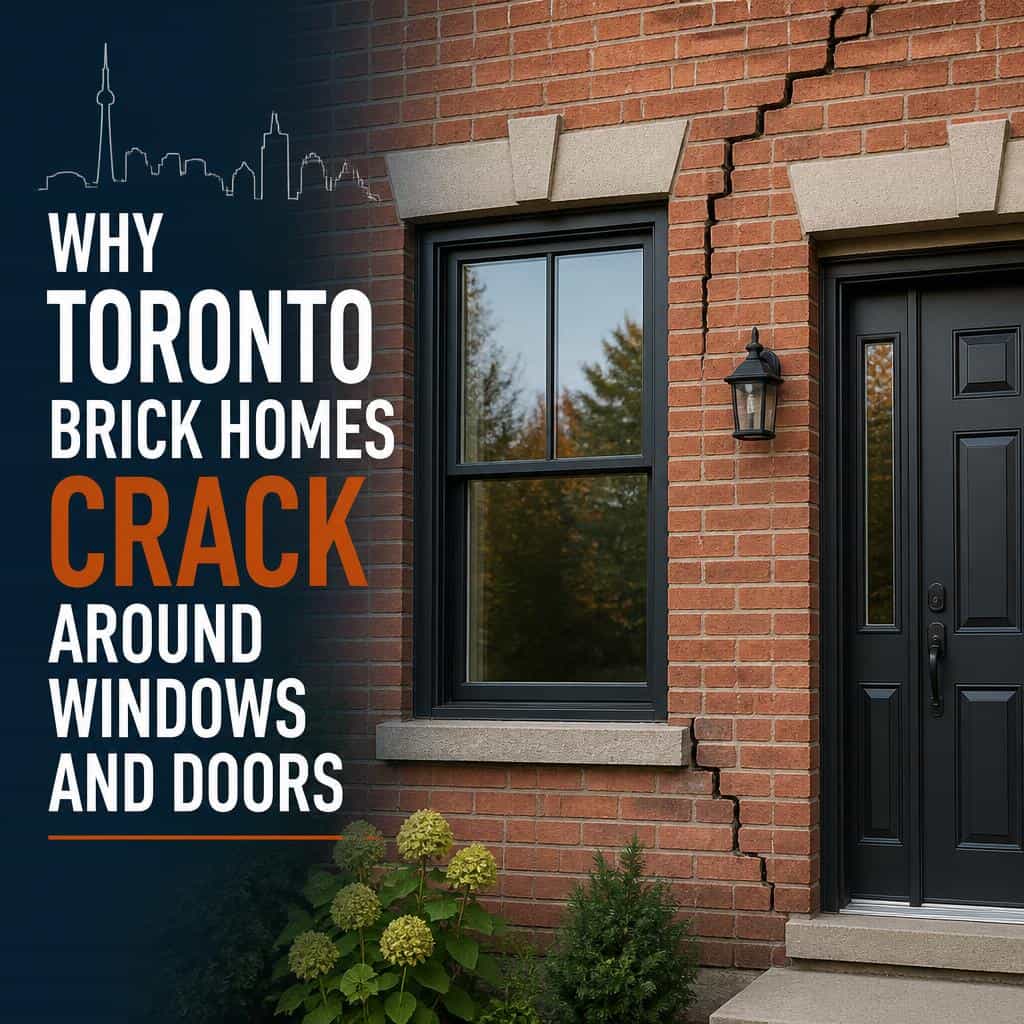
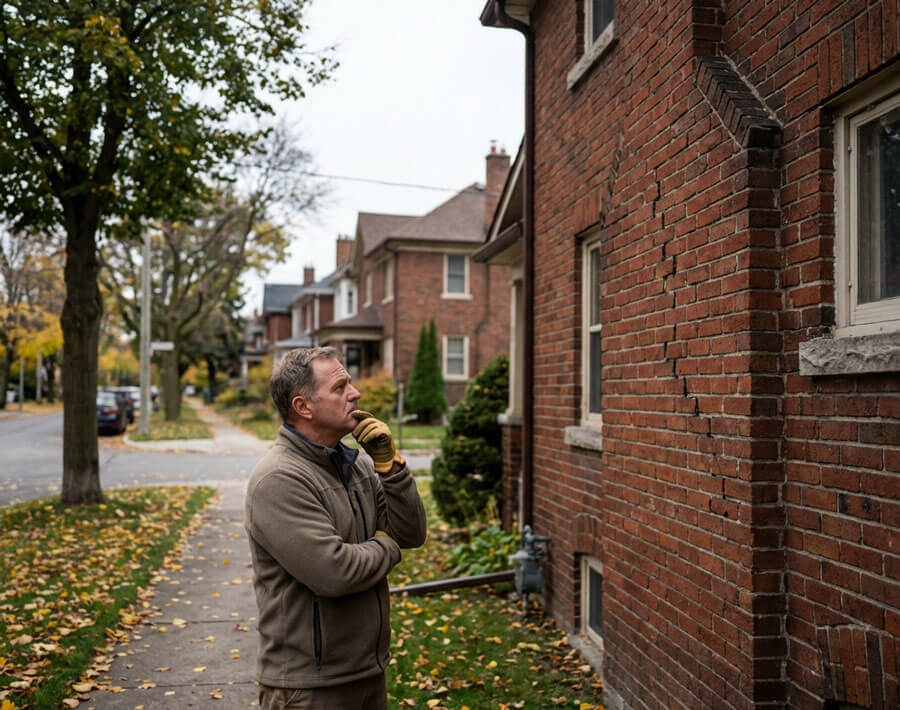
5. Cracks Have Come Back in the Same Area
If a wall was repaired but the same crack has returned, the original problem may never have been properly diagnosed. Some repairs only address the visible damage and ignore the cause.
Recurring cracks may point to:
- movement in the structure
- failed lintels or support above openings
- water penetration
- improper repointing
- poor brick replacement work
A patch is not a restoration plan. If the crack is back, the wall is telling you the first repair was not enough.
6. The Wall Looks Patchy After Rain
Moisture often reveals what the eye misses on a dry day. If repaired sections darken differently after rain, dry more slowly, or create blotchy patterns on the wall, the materials may not be working together properly.
This can indicate:
- mismatched brick absorption rates
- mortar that is too dense
- trapped moisture
- poor drainage through the wall assembly
Older masonry needs to breathe. When one repair area behaves differently from the rest of the wall, it deserves a closer look.
7. Someone Repaired Old Brick Like It Was New Construction
This is really the heart of the problem. Heritage homes should not be repaired with a one-size-fits-all approach. Older masonry systems behave differently from newer walls, and they need repair methods that respect the original materials and construction style.
A proper heritage masonry repair should consider:
- the age of the home
- the type and softness of the brick
- the original mortar composition
- how moisture moves through the wall
- visual and structural compatibility
- whether repair or selective rebuilding is the better choice
When old masonry is treated like modern masonry, the repair may hold for a short time, but the wall often pays for it later.
Why Bad Heritage Brick Repairs Get More Expensive Over Time
A poor repair rarely stays a small issue. Once moisture gets trapped, bricks begin to fail, joints deteriorate unevenly, and sections of the wall may eventually need more extensive restoration or rebuilding.
What could have been a targeted repair may later become:
- larger-scale tuckpointing
- brick replacement
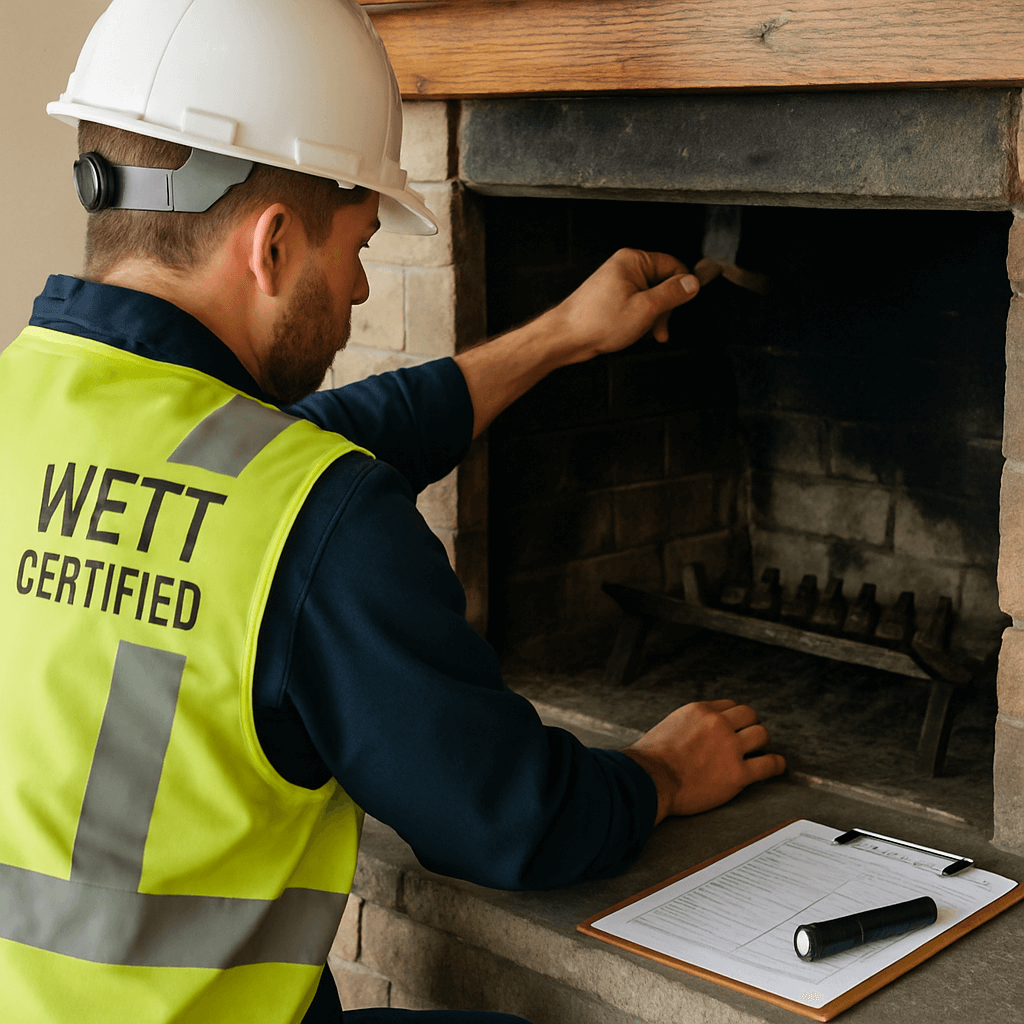
- chimney rebuilding
- lintel replacement
- partial wall reconstruction
- deeper restoration to correct earlier mistakes
That is why catching a bad repair early matters. It is not just about appearance. It is about preventing avoidable damage to original masonry.
What Toronto Homeowners Should Do Next
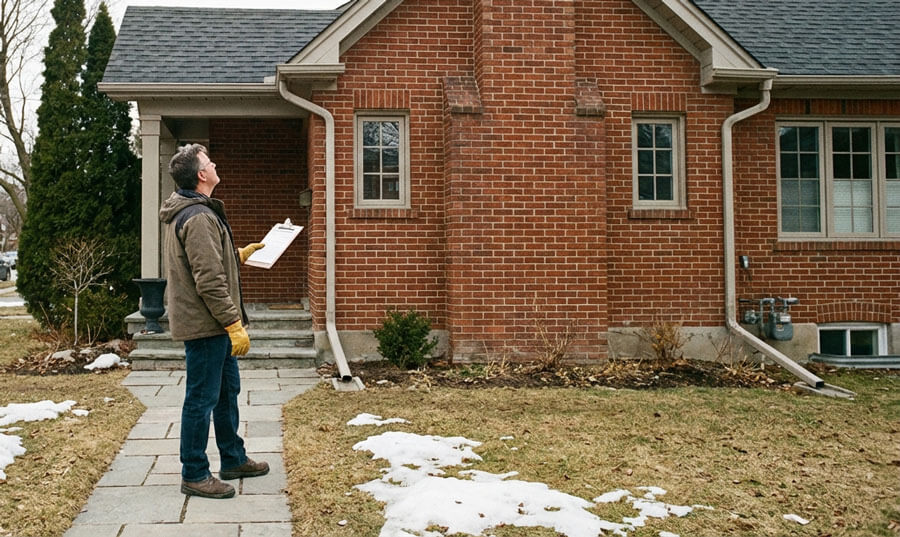
If you suspect your older home has had a poor-quality brick repair, the best next step is to have it assessed by a masonry contractor who understands heritage restoration. That means looking beyond the surface and evaluating the materials, the workmanship, and the likely cause of the damage.
The right repair should protect the home, preserve its character, and work with the original masonry rather than against it.
Trust Experience With Older Toronto Masonry
At Bowman Masonry, we understand that older brick homes require more than a quick patch. Heritage masonry repairs need careful assessment, compatible materials, and craftsmanship that respects the character of the original structure.
If you are seeing signs of a failing repair on your brick home, chimney, or masonry wall, we can help you understand what is happening and what should be done next.
Concerned about a past brick repair on your Toronto home? Contact Bowman Masonry for an assessment of your heritage masonry and restoration needs.