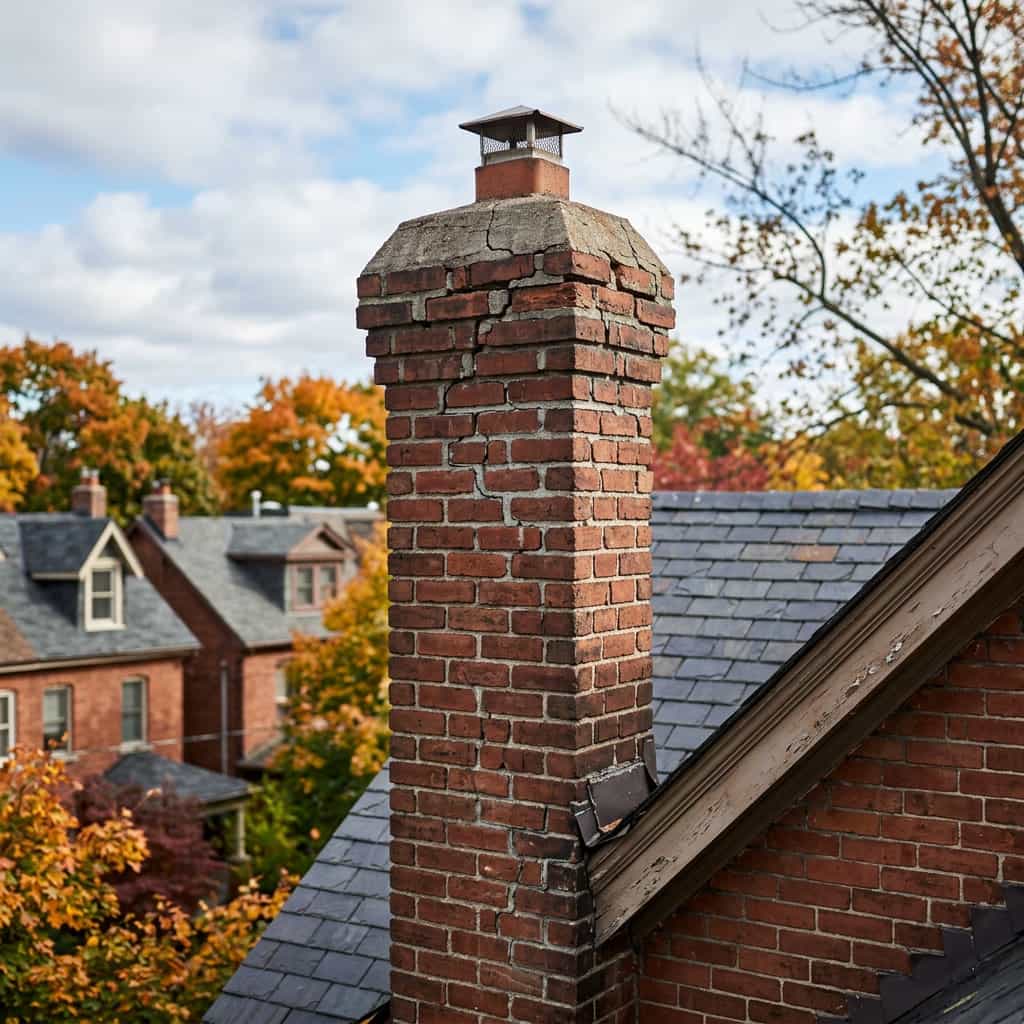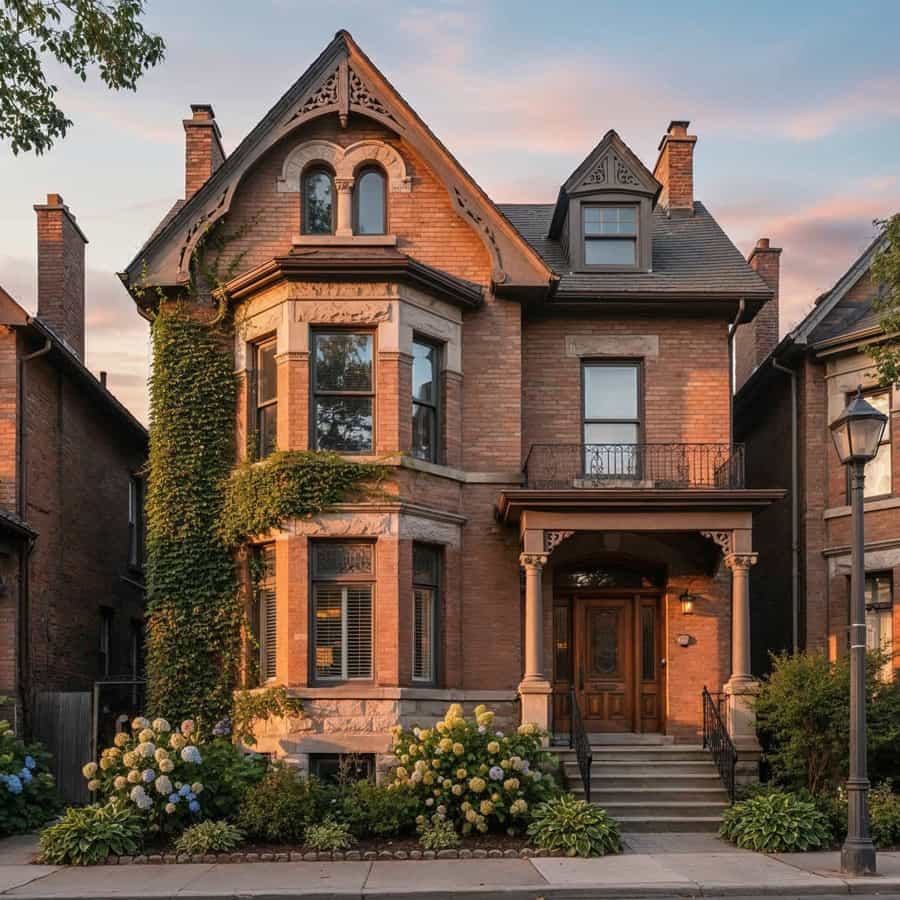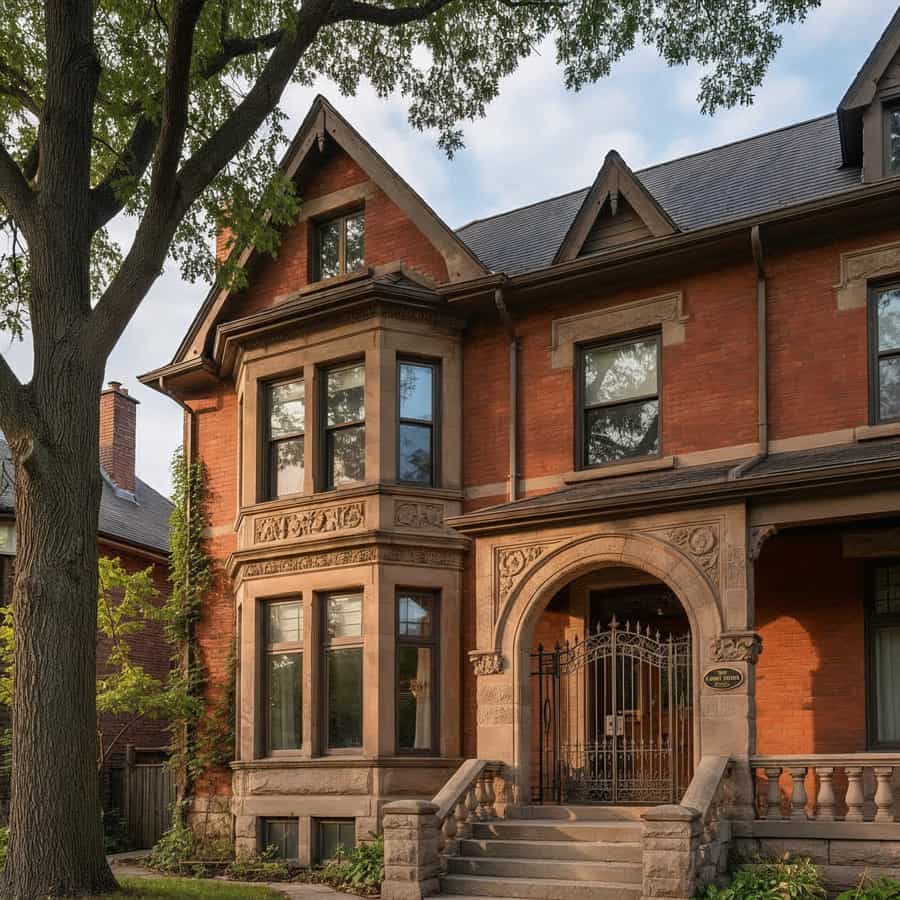

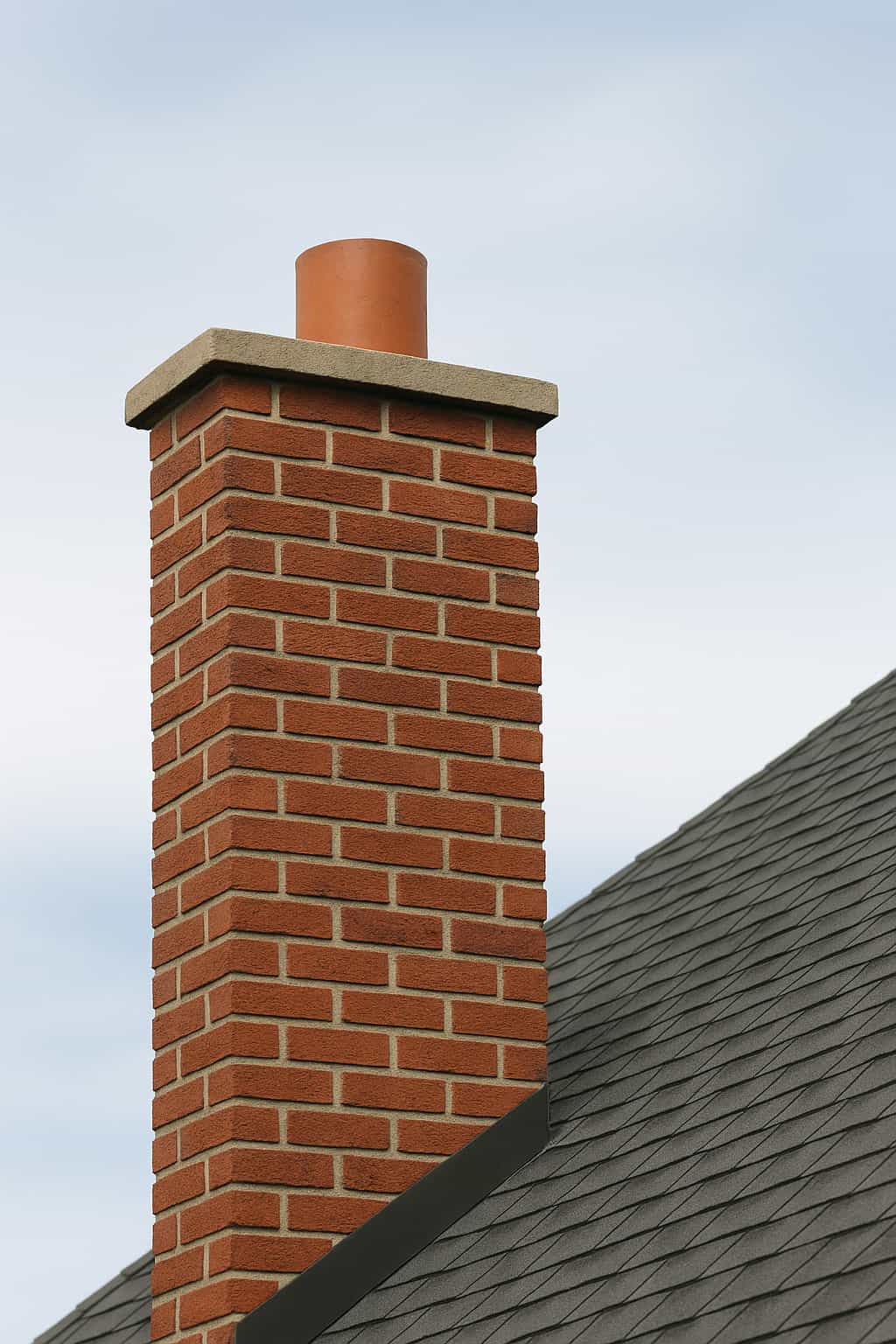
Older chimneys are a common feature on Toronto homes, especially in neighbourhoods with pre-war and century housing. They add character and help define the look of the home, but they also take a beating from years of weather, moisture, and neglect.
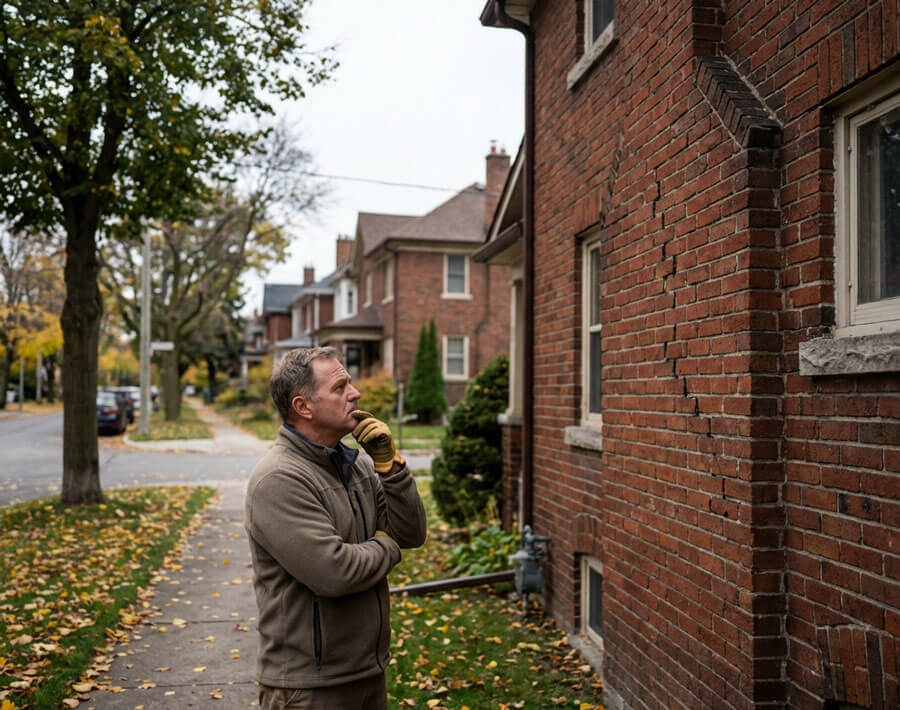
The problem is that chimney damage often starts quietly. A few open mortar joints, some loose bricks, or a small crack near the top may not seem urgent at first. But over time, those issues can lead to more serious deterioration, water penetration, and structural instability.
So how do you know whether an old chimney can be repaired or whether it really needs a full rebuild?
The answer depends on the extent of the damage, the condition of the brick and mortar, and whether the chimney is still structurally sound.
Why Older Toronto Chimneys Deteriorate So Often
Toronto weather is hard on masonry, and chimneys are one of the most exposed parts of the home. They sit above the roofline year-round, taking the full force of rain, snow, wind, and freeze-thaw cycles.
Over time, that exposure can lead to:
- deteriorated mortar joints
- cracked or spalling bricks
- leaning or shifting chimney stacks
- failed crowns
- loose flashing
- water penetration into the home
- internal masonry breakdown that is not always visible from the ground
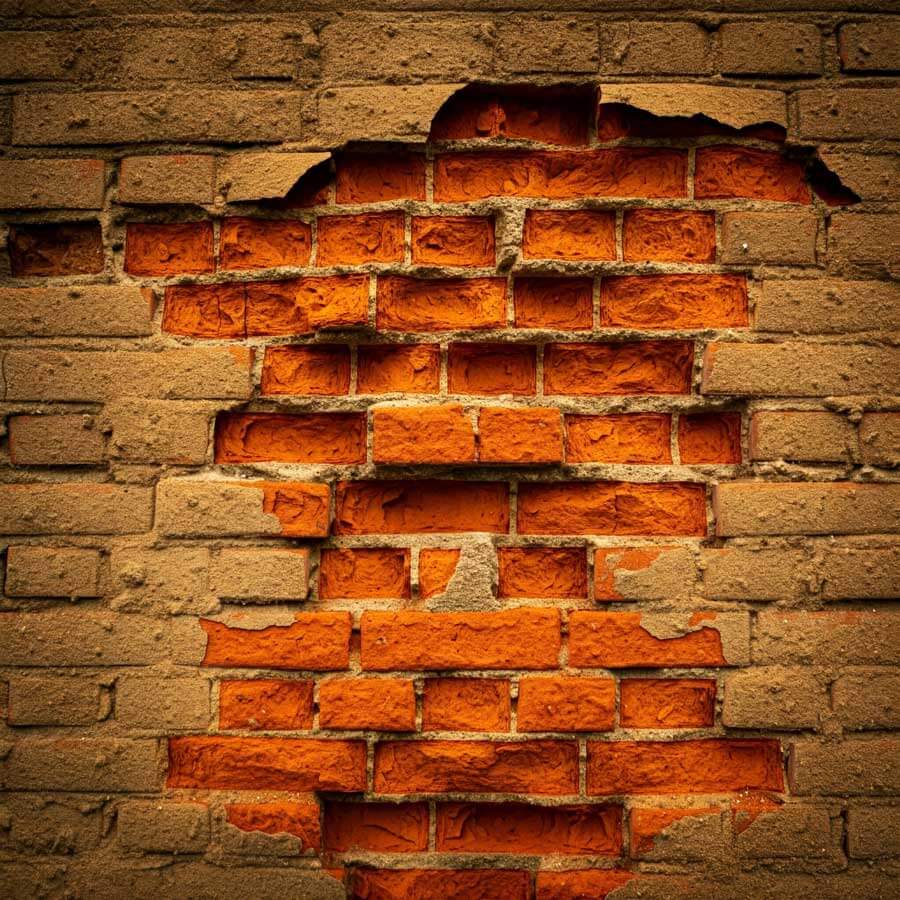
On older homes, previous poor-quality repairs can make the problem worse. Hard mortar, mismatched brick, sloppy patching, or quick fixes around the top of the chimney often fail long before a proper restoration would.
Signs Your Chimney May Be Repairable
Not every aging chimney needs to be torn down and rebuilt. In many cases, a chimney can be repaired if the main structure is still stable and the damage is limited to certain areas.
A chimney may be a good candidate for repair if:
- the mortar joints are worn but the bricks are still mostly sound
- deterioration is limited to the upper courses
- the chimney crown is cracked but the stack itself remains stable
- there are isolated loose or damaged bricks
- the flashing has failed but the masonry below is still in decent condition
- there are no major signs of leaning or structural movement
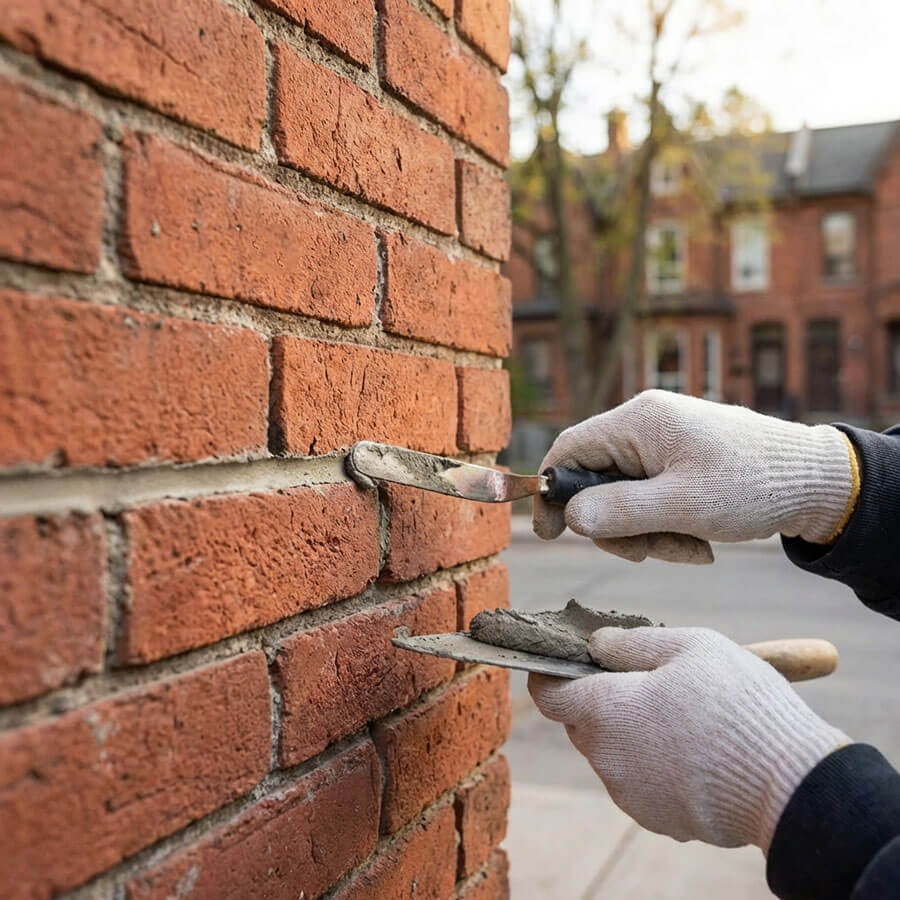
In these situations, repairs may include tuckpointing, selective brick replacement, crown repair or replacement, flashing repair, or rebuilding only the top section of the chimney.
A targeted repair can often extend the life of the chimney significantly when the underlying structure is still solid.
Signs a Full Chimney Rebuild May Be the Better Choice
Sometimes a repair is simply not enough. If the chimney has widespread deterioration or structural instability, patching isolated areas may only delay a bigger problem.
A full rebuild may be necessary if:
- the chimney is leaning or visibly out of plumb
- bricks are badly deteriorated throughout the stack
- mortar failure is widespread from top to bottom
- previous repairs have failed repeatedly
- large sections are loose or unstable
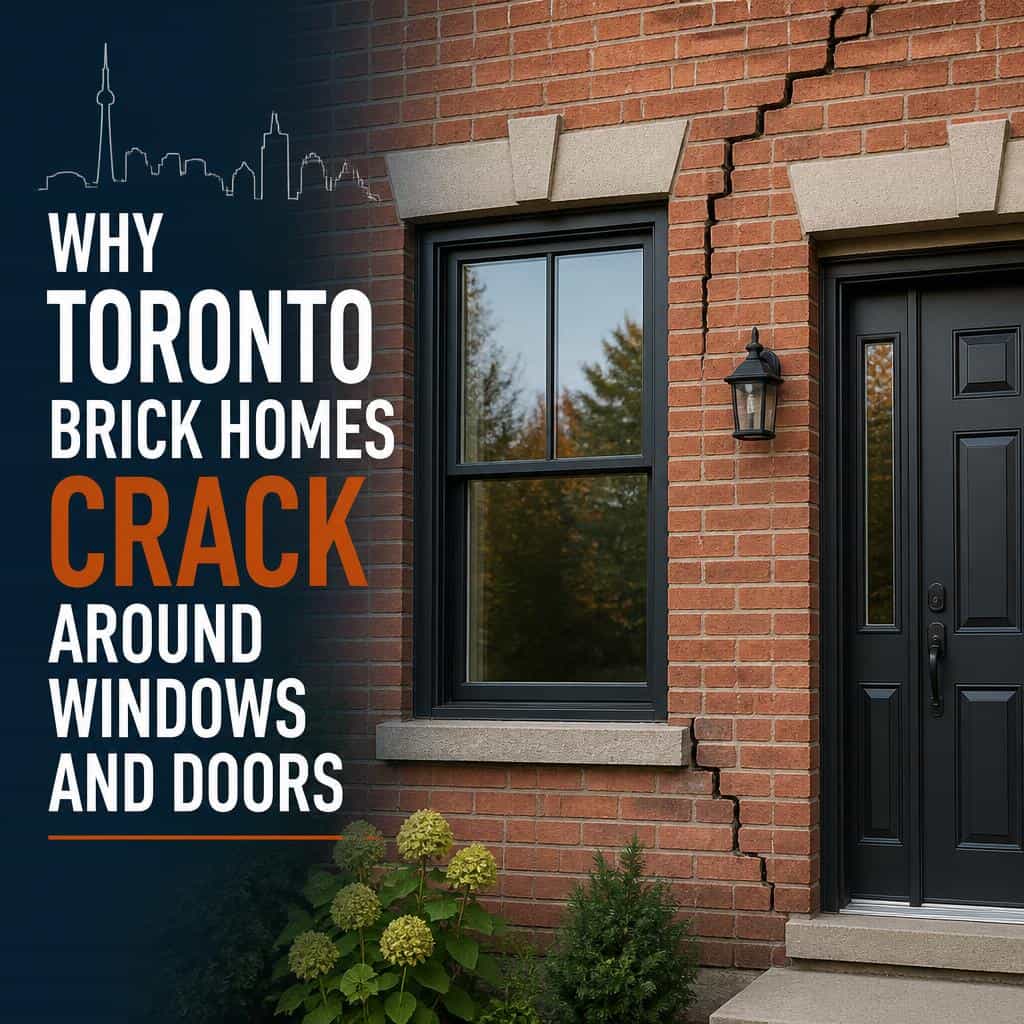
- there is significant spalling, cracking, or separation
- moisture damage has caused major internal deterioration
- the chimney is no longer safe to leave as it is
When a chimney reaches this point, a rebuild is often the smarter long-term investment. Repeated patch repairs on a failing chimney can add up quickly and still leave you with a structure that continues to deteriorate.
The Top of the Chimney Usually Fails First
In many Toronto homes, the upper section of the chimney shows damage first. That is because the top takes the most weather exposure and often holds more moisture.
Common problems near the top include:
- open mortar joints
- loose bricks
- cracked crowns
- missing caps
- water entering through the top of the stack
- brick faces starting to break down
In some cases, only the top few courses or the upper section need to be rebuilt, not the entire chimney. This is why a proper assessment matters. Some chimneys need a full rebuild, while others only need partial rebuilding and restoration.
Why Small Chimney Problems Should Not Be Ignored
A chimney rarely fixes itself. Once deterioration starts, water usually keeps getting in, and Toronto winters do the rest.
Ignoring early chimney damage can lead to:
- more extensive brick deterioration
- falling masonry
- roof and flashing damage
- leaks into attic or interior spaces
- larger rebuild costs later
- safety risks around unstable brickwork
What starts as a few open joints can end up as a rebuild that is much more extensive than it needed to be.
Repair vs Rebuild: What a Masonry Contractor Should Be Looking At
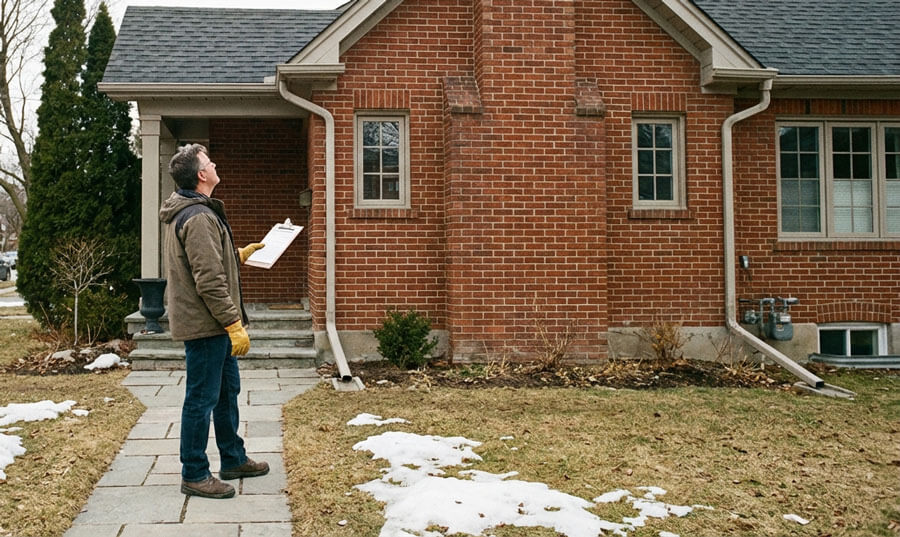
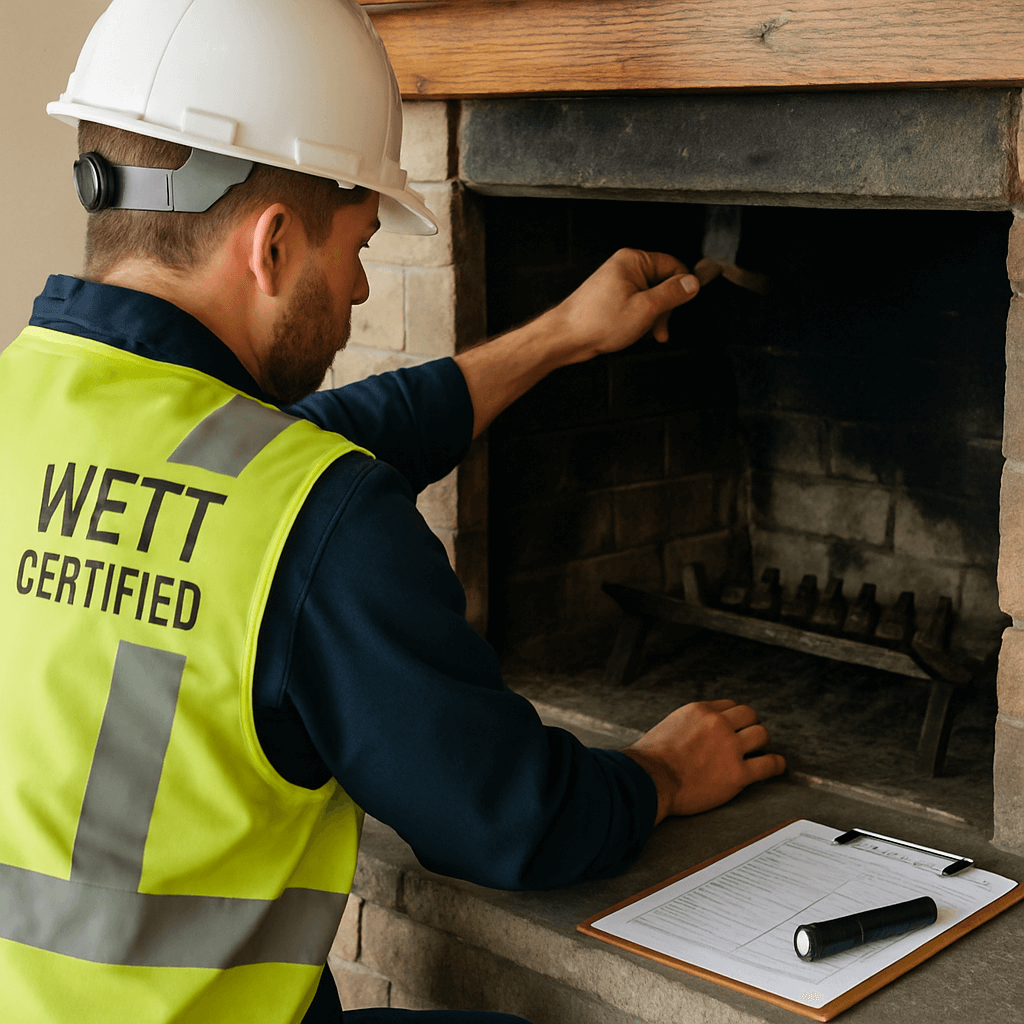
A proper chimney assessment should go beyond what is visible from the ground. The real question is not just whether the chimney looks rough. It is whether the chimney is still sound enough to justify repair.
A masonry contractor should evaluate:
- the condition of the mortar joints
- the condition of the brick throughout the stack
- whether the chimney is plumb and stable
- crown condition
- flashing condition
- signs of trapped moisture or water entry
- whether the damage is localized or widespread
- whether past repairs are helping or hurting the chimney
The goal is to recommend the right scope of work, not the fastest patch job.
Older Toronto Chimneys Need the Right Restoration Approach
Many older chimneys on Toronto homes were built with materials and techniques that differ from modern masonry construction. That matters when repair work is being planned.
A proper repair or rebuild should consider:
- the age of the home
- the type of brick used
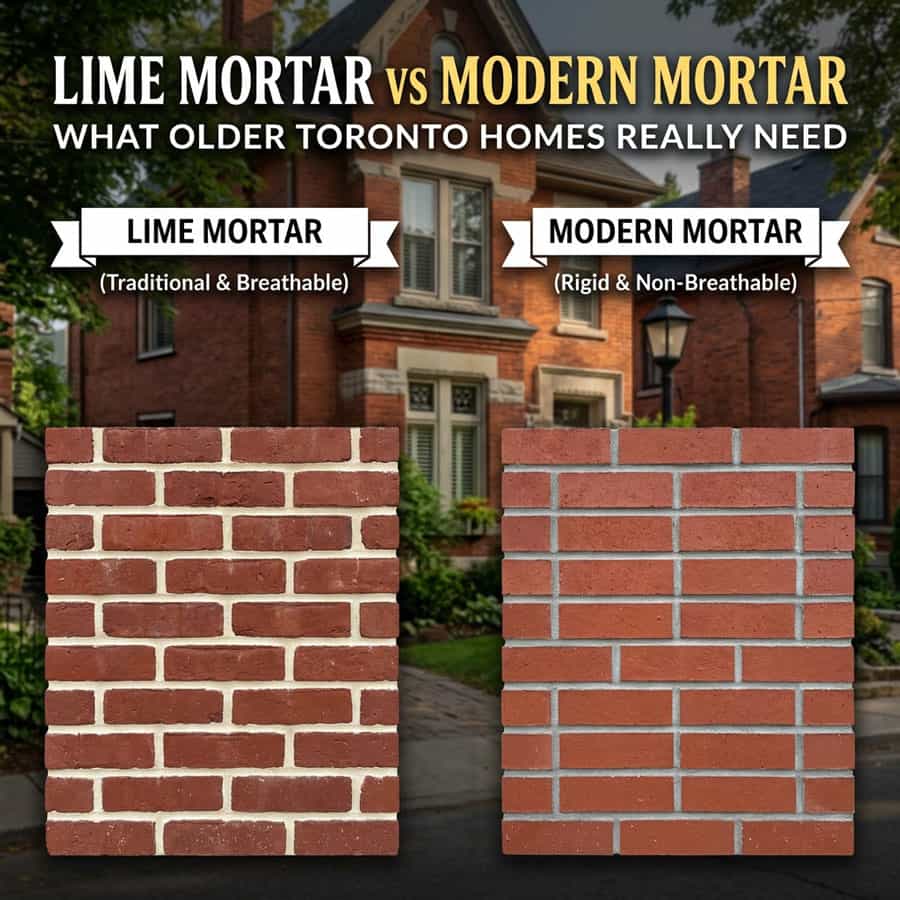
- mortar compatibility
- matching the original appearance as closely as possible
- how the chimney connects visually with the rest of the house
- whether preserving original masonry is still realistic
For older homes, the work should not just solve the structural problem. It should also respect the look and character of the property.
When Partial Chimney Rebuilding Makes Sense
There is a middle ground between a minor repair and a full rebuild. If damage is concentrated in one section, partial rebuilding may be the best option.
This often makes sense when:
- the upper section is failing but the lower stack is still sound
- isolated areas are unstable
- the crown and top courses have deteriorated badly
- the chimney has localized damage after years of water entry
Partial rebuilding can restore structural integrity without replacing more of the chimney than necessary.
Why Repeated Patching Often Costs More in the Long Run
One of the biggest mistakes homeowners make is continuing to patch a chimney that is already too far gone. A bit of repointing here, a few bricks there, maybe a smear of mortar over the visible crack and hope for the best. That approach can get expensive fast.
If the chimney is structurally compromised, repeated repairs often:
- fail sooner than expected
- do not address the underlying issue
- allow moisture to keep entering
- create a worse rebuild later
- cost more overall than doing the right work earlier
In other words, chimney band-aids have a habit of breeding invoices.
How Toronto Homeowners Can Tell It Is Time for an Assessment
If you notice any of the following, it is time to have your chimney looked at:
- cracked or missing mortar joints
- bricks flaking or breaking apart
- loose masonry
- visible leaning
- white staining or moisture issues
- chimney leaks
- damaged flashing
- pieces of brick or mortar falling onto the roof or ground
The sooner the problem is assessed, the more options you are likely to have.
Work With a Masonry Contractor Who Understands Older Toronto Chimneys
At Bowman Masonry, we understand that older chimneys need more than cosmetic patching. Whether the right solution is repair, partial rebuilding, or a full rebuild, the goal is to restore safety, function, and appearance with work that suits the age and character of the home.
If your Toronto chimney is showing signs of deterioration, Bowman Masonry can assess the condition of the masonry and recommend the right next step before a smaller issue turns into a much larger repair.
Not sure whether your old chimney can be saved? Contact Bowman Masonry for a professional chimney assessment and expert advice on repair, partial rebuilding, or full chimney restoration in Toronto.