
Toronto’s freeze–thaw cycles are tough on brick homes, but a simple seasonal routine can prevent a lot of expensive repairs. Here’s a homeowner‑friendly draft you can trim or localize as needed.
Toronto’s brick homes are built to last, but the local weather does them no favours. When water gets into tiny cracks in brick or mortar and then freezes, it expands and slowly forces those cracks wider, which is why small issues can become big repairs after just a few winters.
This seasonal checklist walks you through what to look for in spring, summer, and fall so you can catch masonry problems early and know when it is time to call in a professional.
Why Toronto’s Weather Is Tough on Masonry
Toronto sees frequent freeze–thaw cycles, meaning temperatures bounce above and below freezing many times each winter. Every time that happens, any moisture inside your brick or mortar can expand and contract, slowly prying things apart.
Older brick homes are especially vulnerable because many still have original brick and mortar that has already been through decades of winters. With regular checkups, small cracks or crumbling joints can be repaired before they turn into loose bricks, chimney problems, or water leaks inside your home.
Spring Masonry Checklist – Post‑Winter Damage Scan
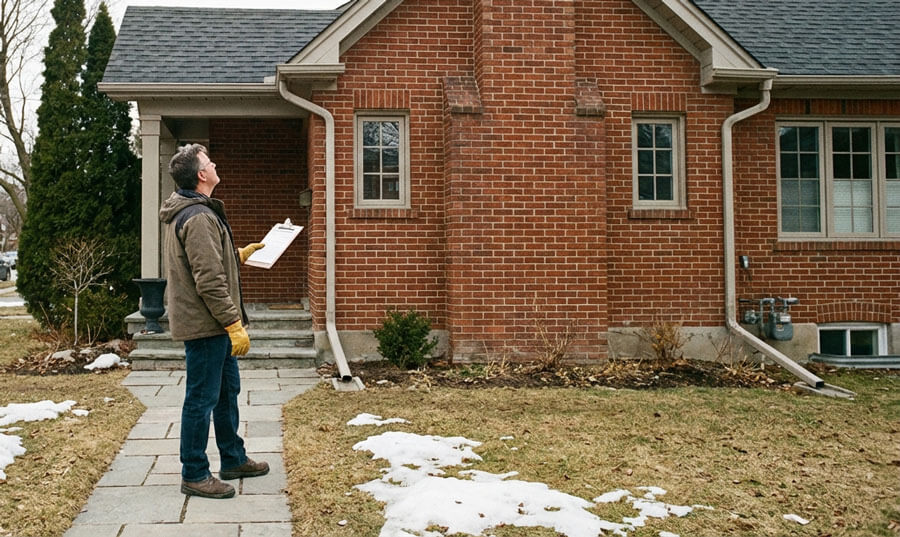
Spring is the time to see what winter did to your brick, chimney, and foundation. Set aside 20–30 minutes on a dry day and walk around your home with a notepad and your phone for photos.
Walk the Perimeter of Your Brick Walls
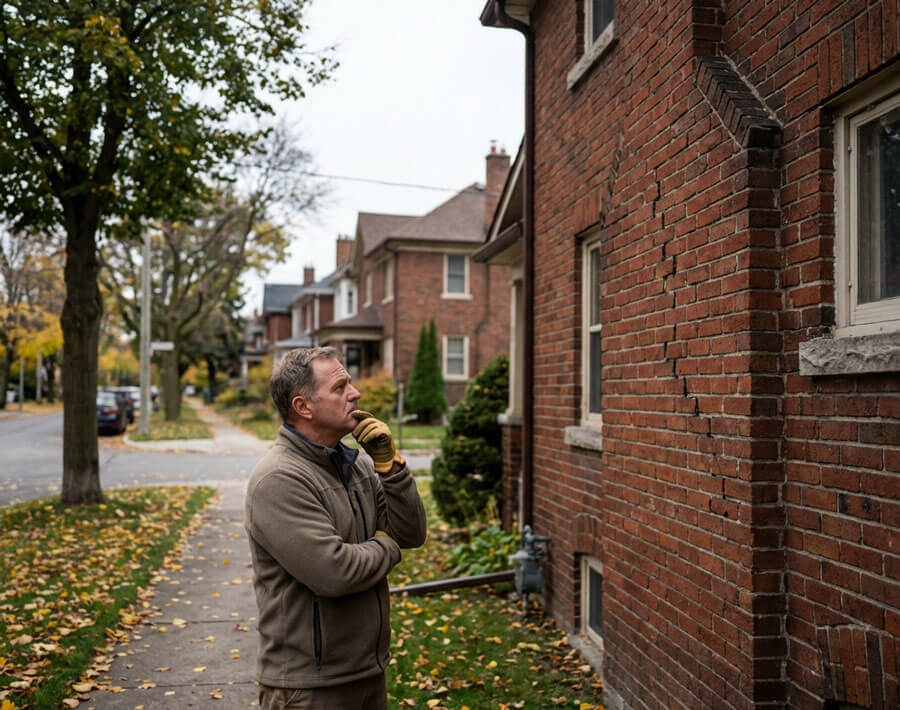
- Look for new cracks in the brick or mortar, especially at corners, where additions meet the original house, and above or below windows and doors.
- Check for bricks that look flaky, pitted, or like thin layers are popping off the surface; this is called spalling and is often caused by moisture and freeze–thaw damage.
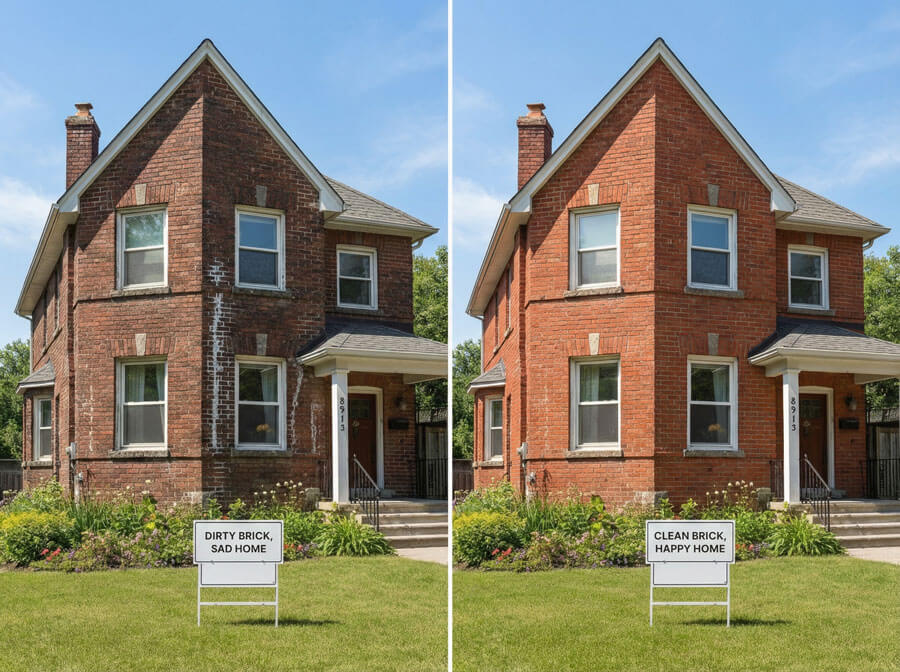
- Watch for white, powdery deposits on the surface of brick, known as efflorescence, which suggests water is moving through the wall and leaving mineral deposits behind.
If you see anything worrying, take close‑up pictures now so you can compare later or share them with a mason.
Check Your Chimney from the Ground
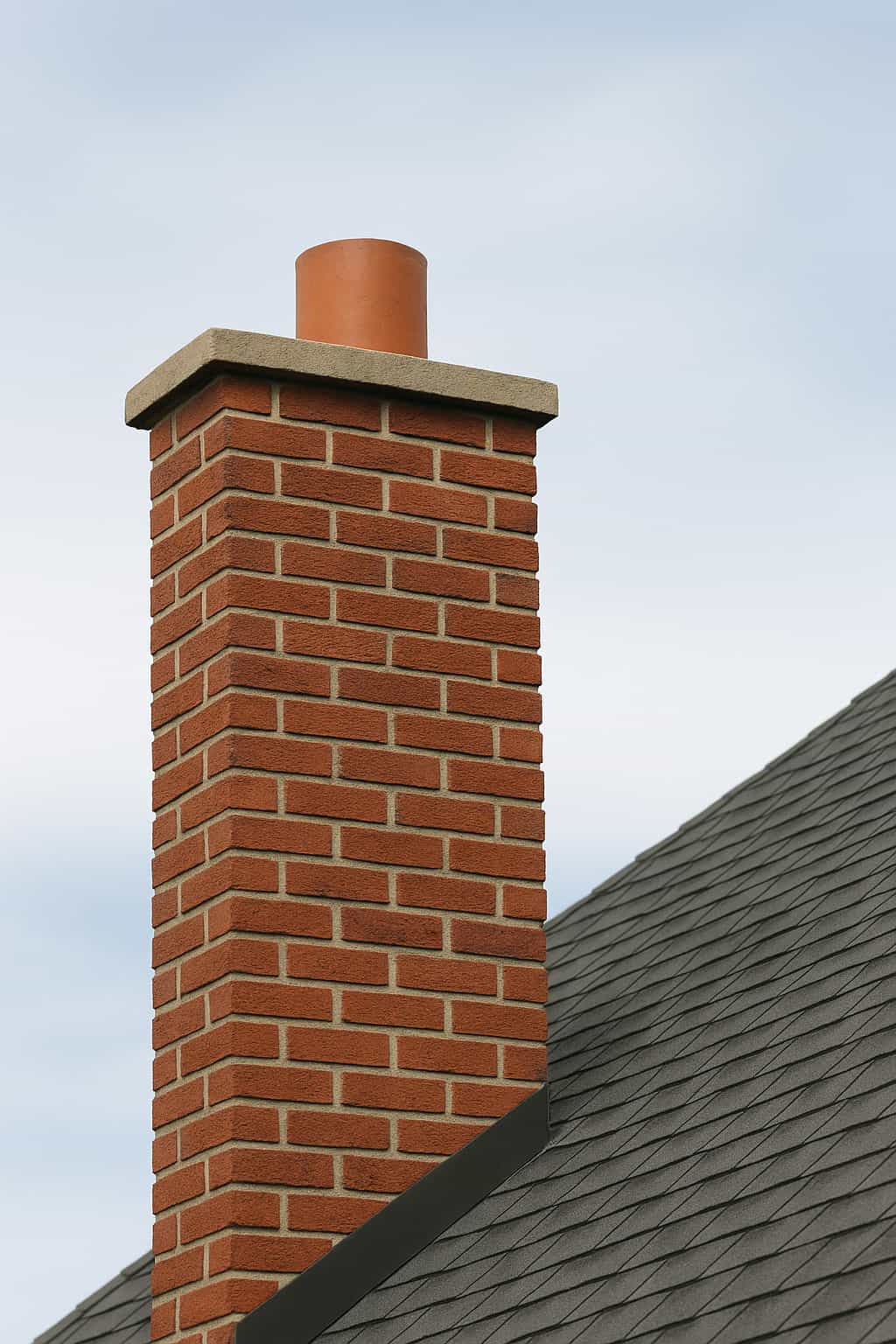
You do not need to climb onto the roof to catch a lot of chimney problems early. A pair of binoculars or your phone’s zoom camera can help you see what is happening up top.
- Stand back and check whether the chimney looks straight; even a small lean can signal issues with the base or the brickwork.
- Look for missing or loose bricks, crumbling mortar joints, or gaps where the chimney meets the roof.
- Check the top (the crown and cap) for visible cracks or damage; these areas help keep water out of the chimney stack.
If you notice bricks moving, heavy cracking, or any sign that pieces could fall, avoid the area below and contact a professional as soon as possible.
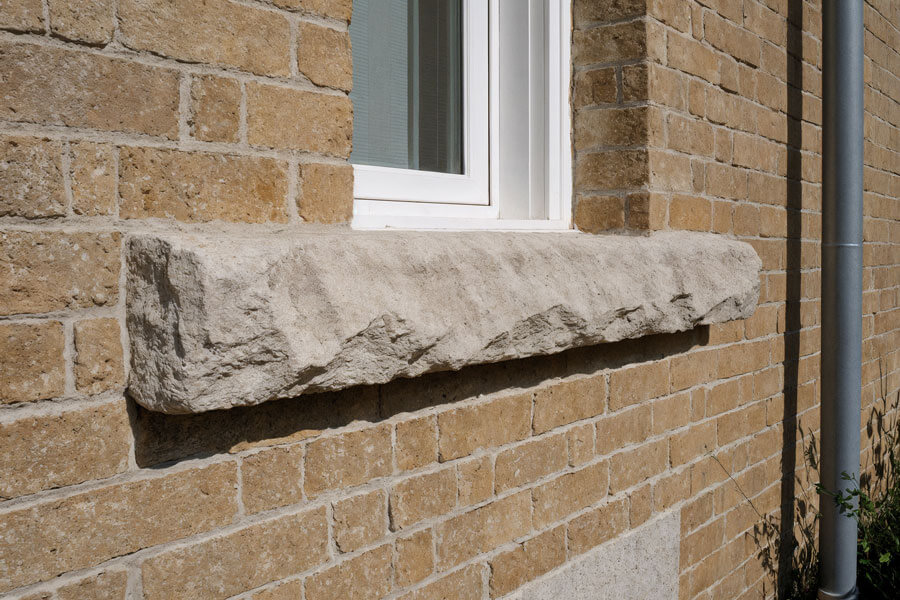
Inspect Around Windows, Doors, and Sills
Openings in walls are common weak points. A few quick checks can help you spot early trouble.
- Look for hairline cracks that run from corners of windows or doors into the brick.
- Check sills and lintels (the horizontal pieces above openings) for cracks, rust stains, or gaps.
- Inspect caulking where frames meet brick; dried, cracked, or missing sealant lets water in and can speed up masonry damage.
Summer Masonry Tasks – Cleaning and Prevention
Summer is the ideal time for gentle cleaning and small preventative tasks that keep your brick in good shape. The goal is not to do major repairs, but to help your masonry dry properly and stay clean.
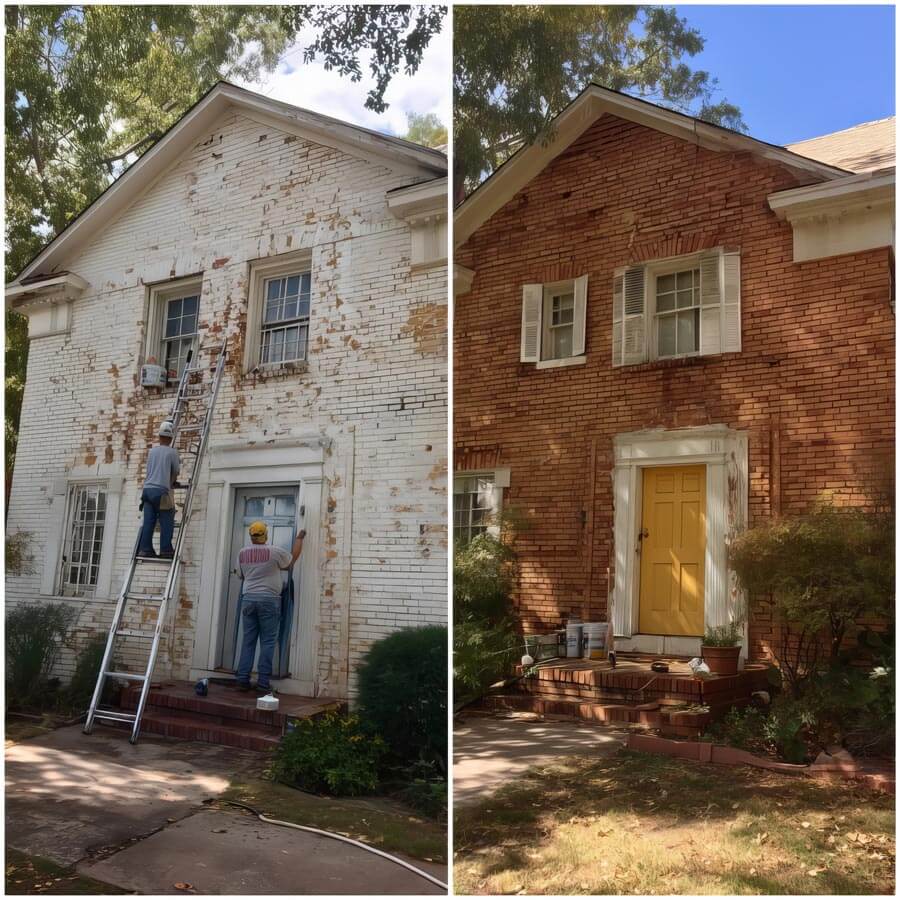
Safe Ways to Clean Brick and Stone
Brick is tougher than it looks, but the wrong cleaning method can damage it. High‑pressure washing or harsh chemicals can remove the protective outer surface and drive water deeper into the wall.
- Use a soft‑bristle brush, a bucket of water with a mild detergent, and a gentle rinse from a garden hose.
- Test any cleaner on a small, hidden area first to make sure it does not change the colour of the brick or mortar.
- Avoid sealing brick on your own with hardware‑store products unless a professional has confirmed it is appropriate for your specific wall; the wrong sealer can trap moisture instead of stopping it.
Control Moisture with Vegetation and Grading
Anything that keeps your brick wet for longer than necessary increases the risk of damage. A bit of yard maintenance can make a big difference.
- Trim back vines, ivy, shrubs, and branches that sit right against the brick so air can move freely and surfaces can dry.
- Make sure the soil next to your walls slopes away from the house so water does not pool at the base.
- Check that downspouts are connected, not crushed, and move water several feet away from your foundation.
Recheck Any Problem Areas from Spring
Take another look at any cracks, spalling, or efflorescence you noted in the spring. If the damage is growing, or new areas are appearing, it is a sign that the underlying issue may be active and worth a professional visit.
Fall / Pre‑Winter Masonry Checklist
Fall is your last chance to prepare your brick for another round of freeze–thaw. A careful inspection before the first hard frost can save you from discovering problems in the middle of winter.
Repeat Your Exterior and Chimney Inspection
Go through the same steps you did in spring, focusing on change.
- Have any cracks widened or spread since you first saw them?
- Are there more spalled bricks or larger patches of crumbling mortar?
- Does the chimney look any different in terms of leaning, cracking, or missing material?
Changes over just a few months are a strong clue that something deeper is going on and should be checked by a mason.
Keep Water and Ice Away from Masonry
Water management is huge in preventing winter damage. The more you can keep water off your bricks, the better.
- Thoroughly clean gutters and downspouts so they don’t overflow down brick walls when it rains or when snow melts.
- Confirm that downspout extensions are in place and pointing away from the house, not toward walkways or walls.
Protect Ground‑Level Brick, Steps, and Walkways
Areas near the ground see a lot of snow, ice, and salt in winter. Those conditions are hard on brick, stone, and mortar.
- Identify spots where snow piles up against brick walls or steps and think about how you will clear it so it is not sitting there all season.
- Try to avoid using traditional de‑icing salts directly on brick steps, landings, or near foundation walls; sand or other alternatives are often gentler on masonry.
What Homeowners Can Do vs What Needs a Mason
There is plenty you can safely handle yourself, but certain jobs are better left to trained professionals with the right tools and safety gear. Drawing a clear line helps you avoid accidental damage or unsafe situations.
Safe DIY Masonry Maintenance Tasks
- Seasonal visual inspections from the ground or a stable, low step ladder.
- Gentle cleaning with soft brushes and mild detergent.
- Gutter and downspout cleaning, if you can do it safely.
- Trimming vegetation and improving grading so water runs away from your home.
Repairs You Should Leave to a Professional
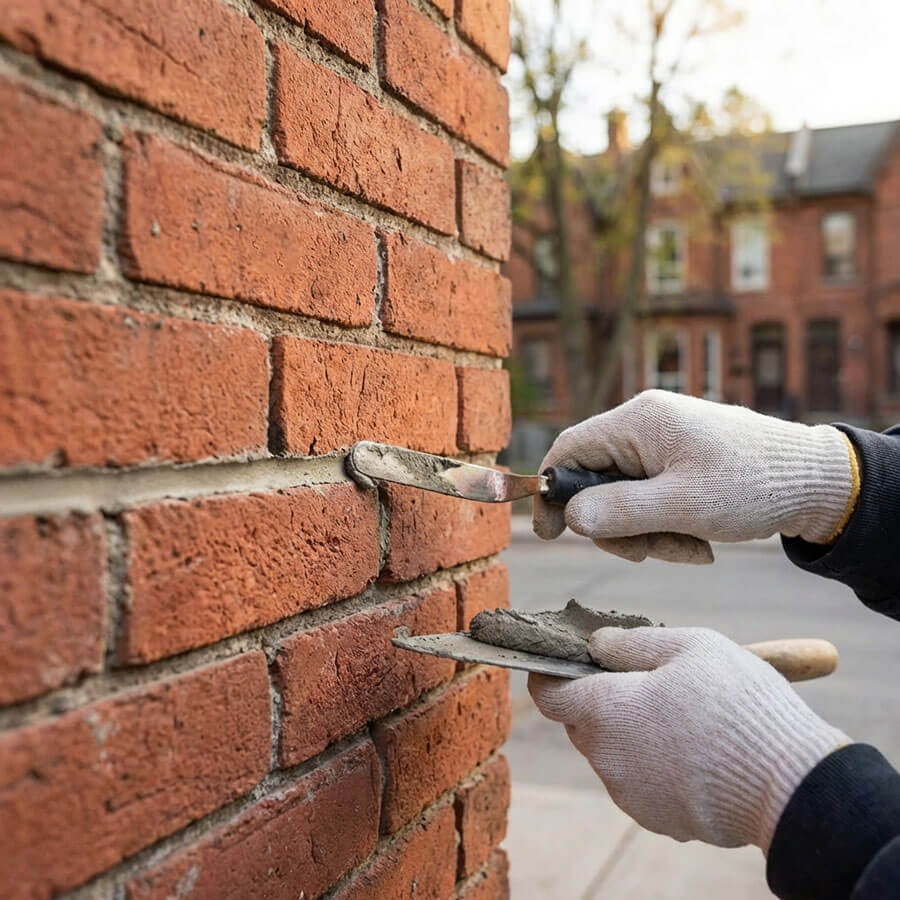
- Grinding out and replacing mortar joints (repointing or tuckpointing) is dusty, technical work that can easily damage brick if done incorrectly.
- Replacing spalled, cracked, or loose bricks requires proper support, tools, and knowledge of how the wall is built.
- Chimney repairs, especially anything at roof height, should be done by someone with the right training and safety equipment.
- Diagnosing and fixing water getting behind brick, bulging walls, or interior stains linked to masonry is also a job for a professional.
When to Book a Professional Masonry Inspection in Toronto
Regular checklists help you stay ahead, but there are times when an expert needs to take a closer look. Booking an inspection before problems grow can save money and reduce stress.
Consider calling a mason if you notice:
- Cracks that keep getting longer or wider between seasons.
- Any bulging, bowing, or leaning in brick walls or your chimney.
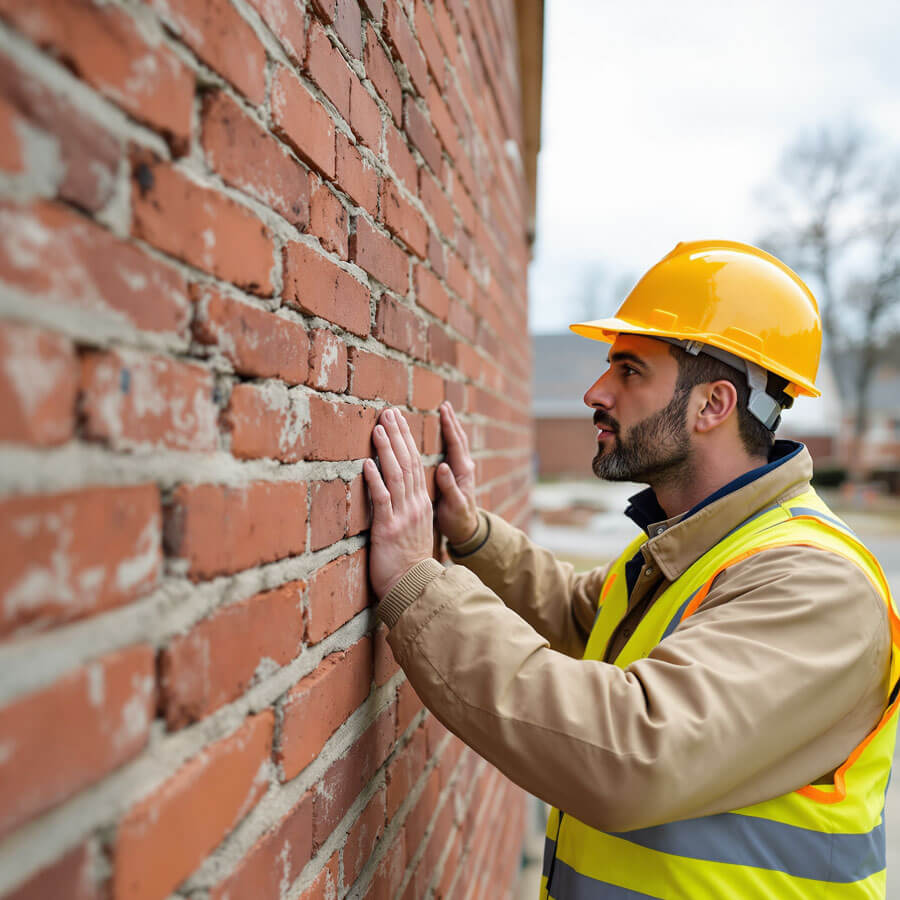
- Spalling bricks, large sections of missing or crumbling mortar, or bricks that move when you press them.
- Repeated efflorescence or damp walls inside the home near brick or chimney areas.
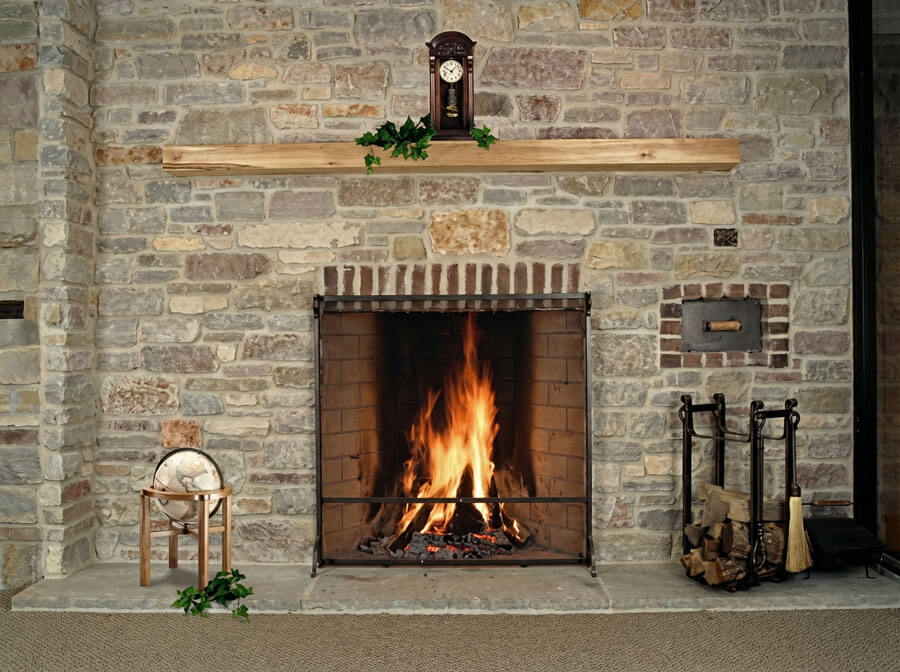
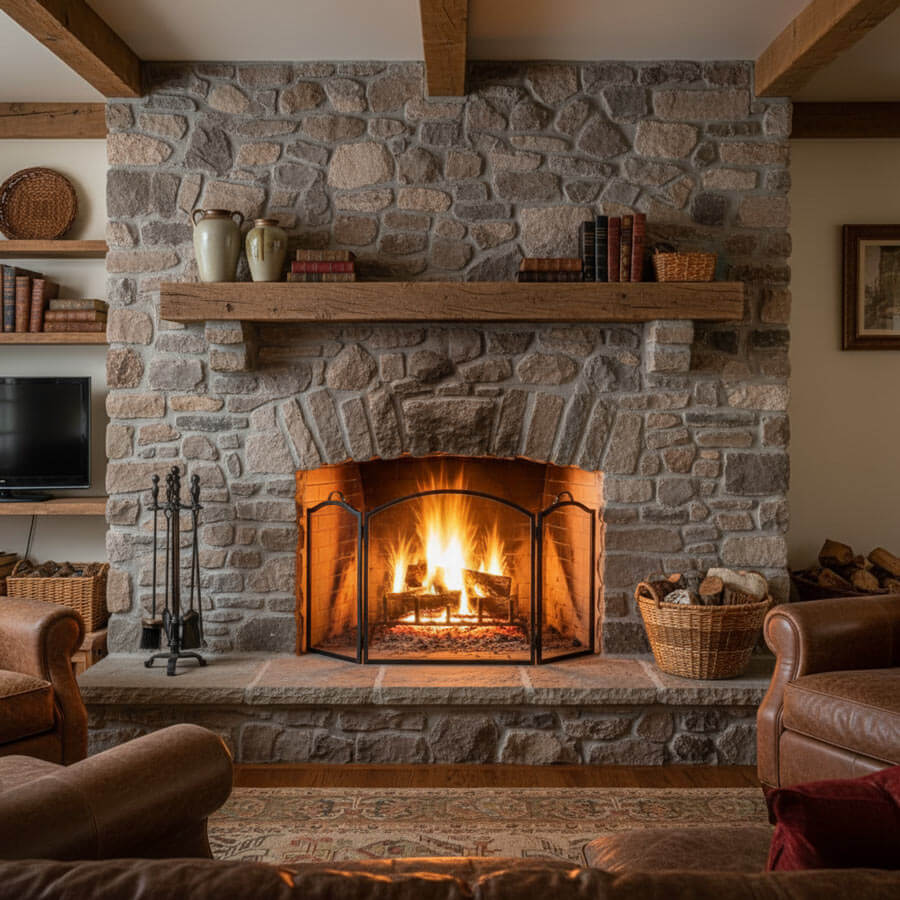
- Smoke issues, rust stains, or signs of water inside your firebox or around the chimney indoors.
If these show up during your spring, summer, or fall checklist, it is a good time to schedule a professional masonry inspection before the next round of freeze–thaw hits. A local Toronto mason can tell you whether you need simple repointing, targeted brick replacement, or a bigger repair plan, and help you protect your home for years to come.