
If you own a brick home in Toronto, you have probably heard contractors use words like “repointing,” “tuckpointing,” and “brick replacement.” To most homeowners, they sound like different ways of saying the same thing.
In reality, these are three different types of work, each used in different situations and at different price points. This guide explains the differences in simple language and helps you understand which one your home is most likely to need.
Why These Terms Matter
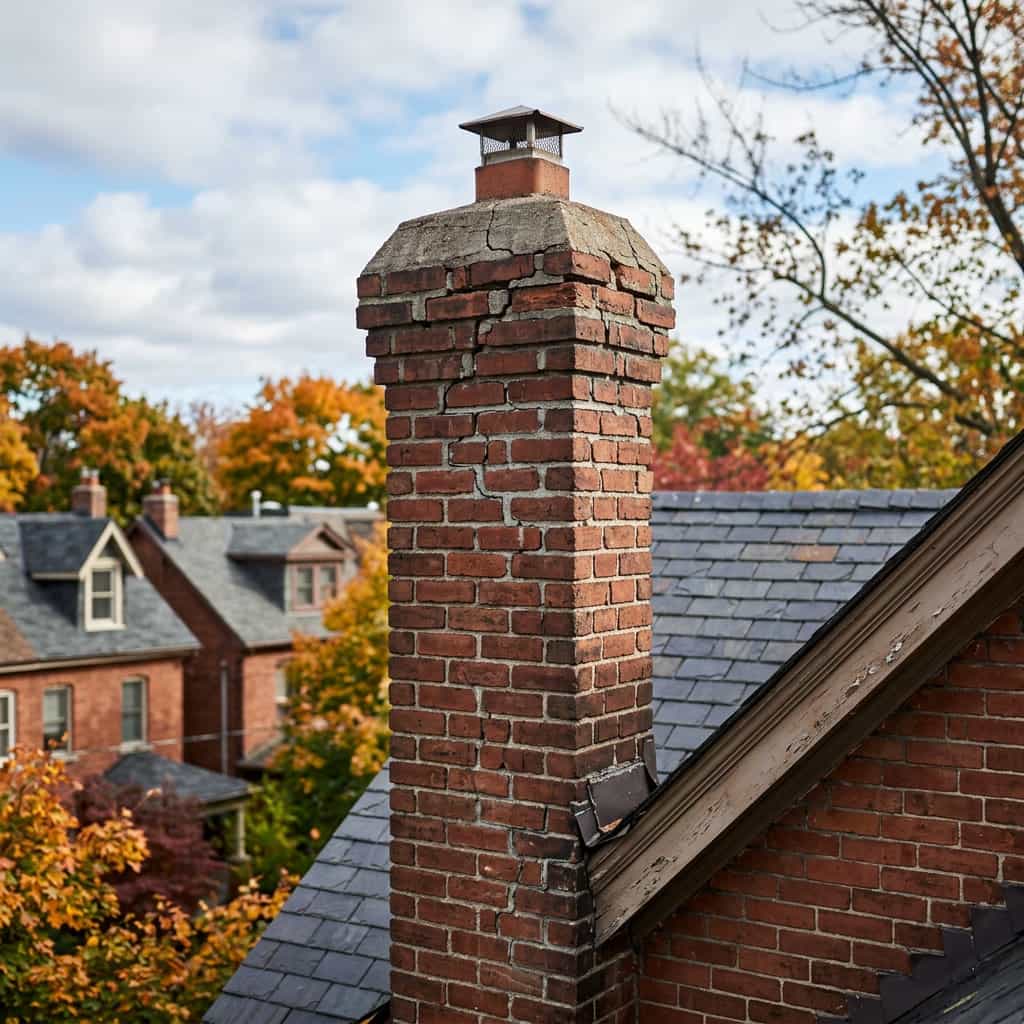
Brick walls and chimneys are only as strong as the bricks and mortar that hold them together. Over time, mortar wears out, bricks crack or flake, and past repairs may not have been done correctly.
Knowing the basic difference between repointing, tuckpointing, and brick replacement helps you ask better questions, compare quotes fairly, and make sure your home gets the right repair instead of a quick patch that will not last.
What Is Repointing?
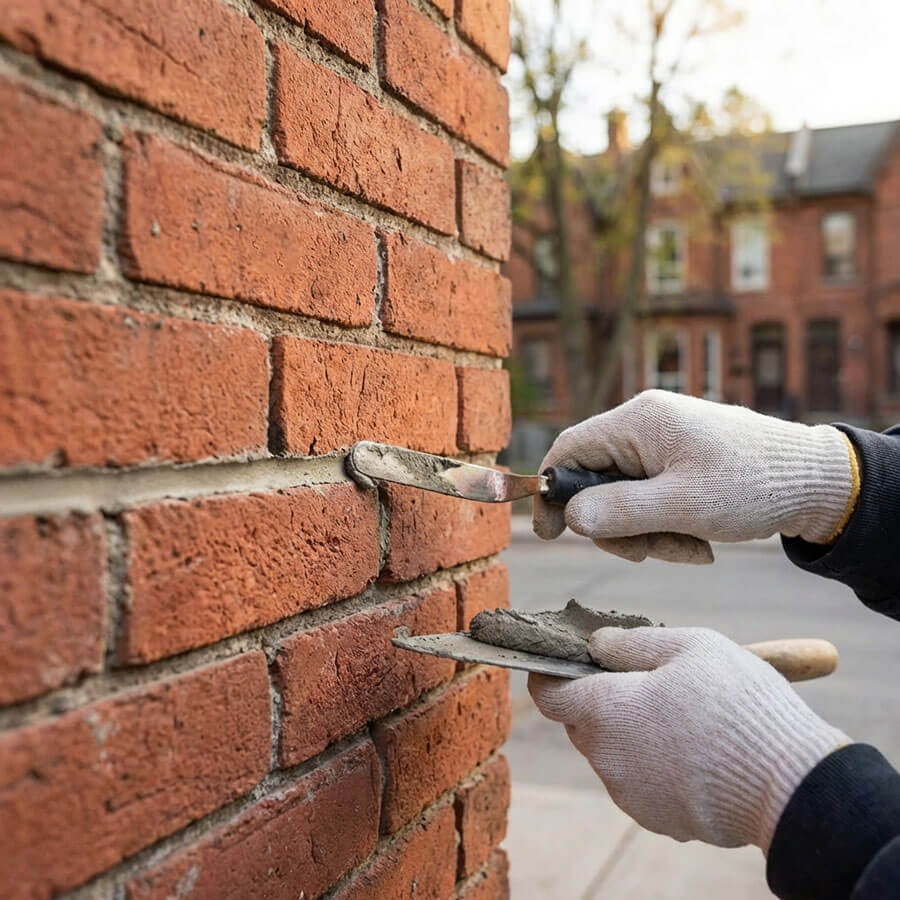
Repointing is the process of repairing the mortar joints between bricks. It is all about the “glue” between the bricks, not the bricks themselves.
During repointing, the old, damaged mortar is carefully ground or chiseled out to a certain depth, and then fresh mortar is packed back into the joints. The new mortar is chosen to match the existing wall in colour, texture, and strength as closely as possible.
When is repointing used?
Repointing is typically recommended when:
- The mortar is cracked, crumbling, or missing in places.
- Joints are deeply recessed compared to the face of the brick.
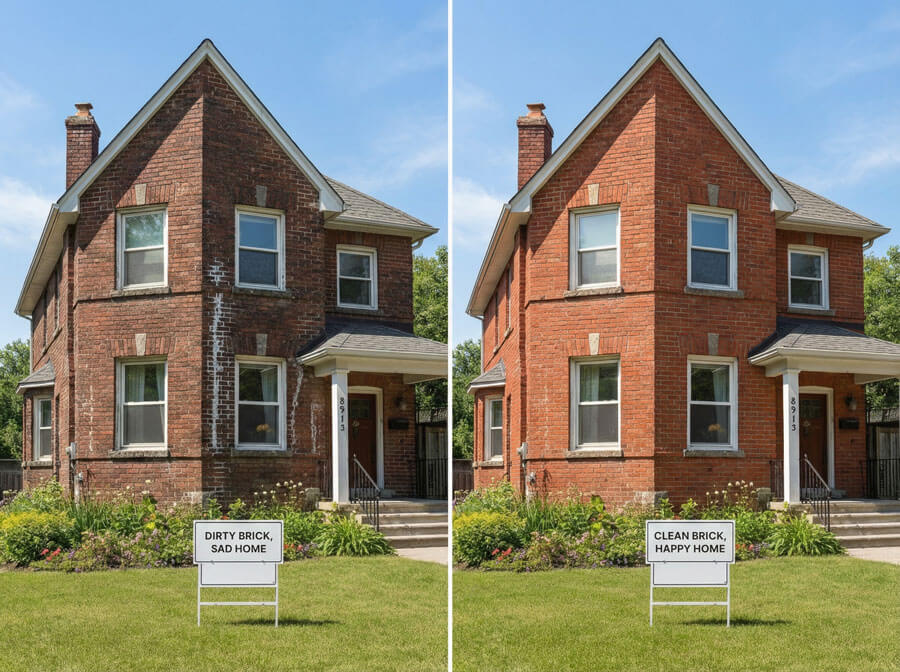
- Bricks are still solid, but the wall is letting in water through worn joints.
Think of repointing as preventative maintenance for your masonry. Done at the right time, it can extend the life of the wall or chimney by many years and help you avoid more serious structural problems.
What Is Tuckpointing?
Tuckpointing is often confused with repointing, but it is slightly different and has a stronger focus on appearance.
Traditionally, tuckpointing involves using two colours of mortar: one that closely matches the colour of the brick and another, usually lighter, that is applied as a thin line to create the look of very crisp, narrow joints. This creates a sharp, decorative finish that can make old brickwork look almost new again.
When is tuckpointing used?
Tuckpointing is most commonly used when:
- The wall is still structurally sound, but the homeowner wants a fresher, more polished appearance.
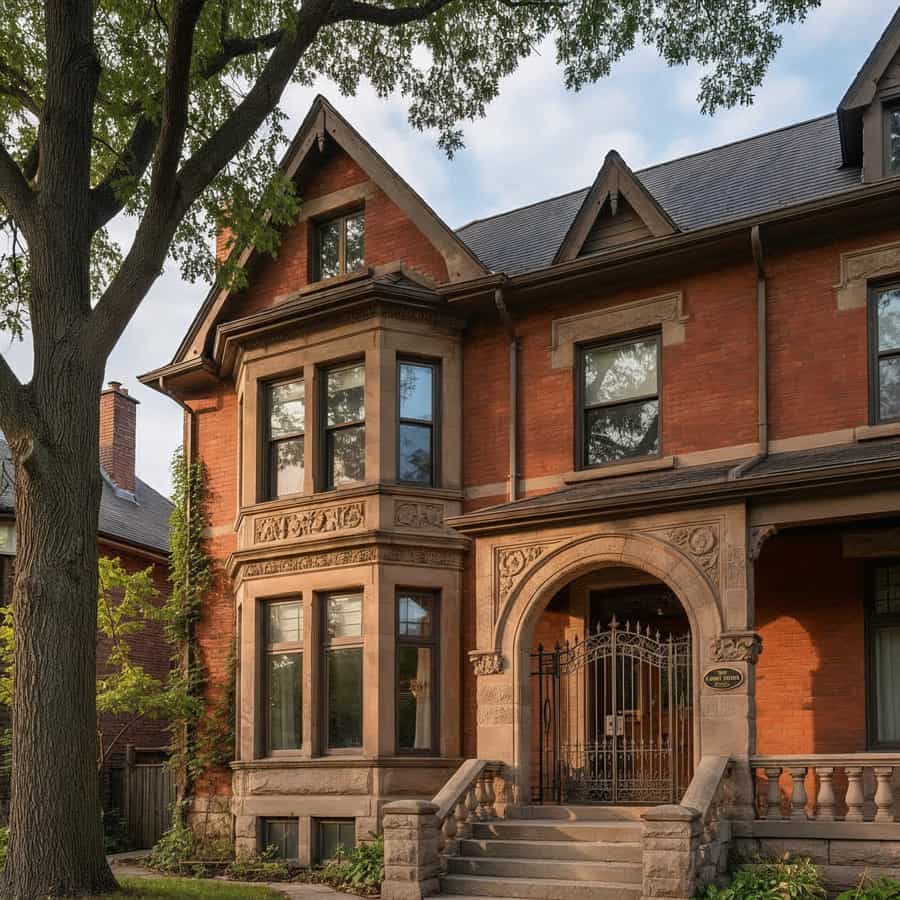
- The property has a heritage or character façade where the look of the joints really matters.
- There is a desire to highlight the pattern and lines of the brickwork.
In simple terms, tuckpointing improves both protection and curb appeal. It still involves repairing joints, but with extra attention to how the finished joints look.
What Is Brick Replacement?
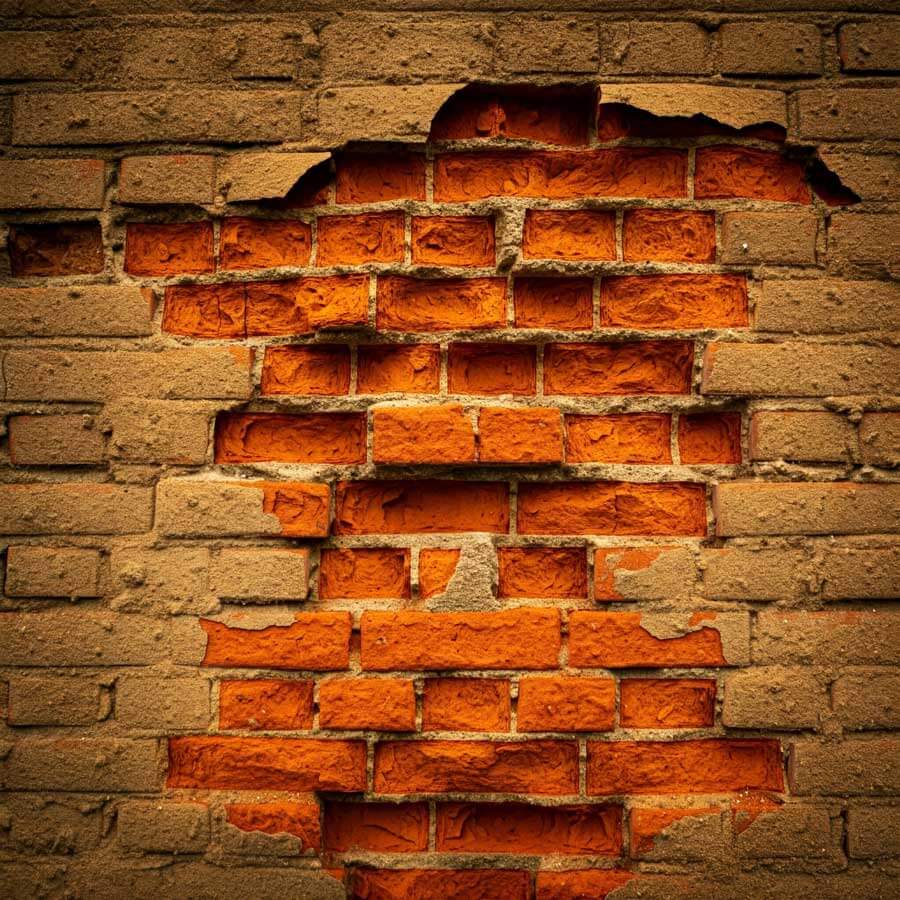
Brick replacement is used when the problem is no longer just in the mortar, but in the bricks themselves.
In this process, damaged bricks are carefully removed and replaced with new ones. The new bricks are chosen to match the existing wall as closely as possible in size, colour, and texture, and then the joints around them are filled with mortar to blend into the surrounding brickwork.
When is brick replacement used?
Brick replacement is usually needed when:
- Bricks are heavily spalled, meaning chunks of the face are missing or flaking away.
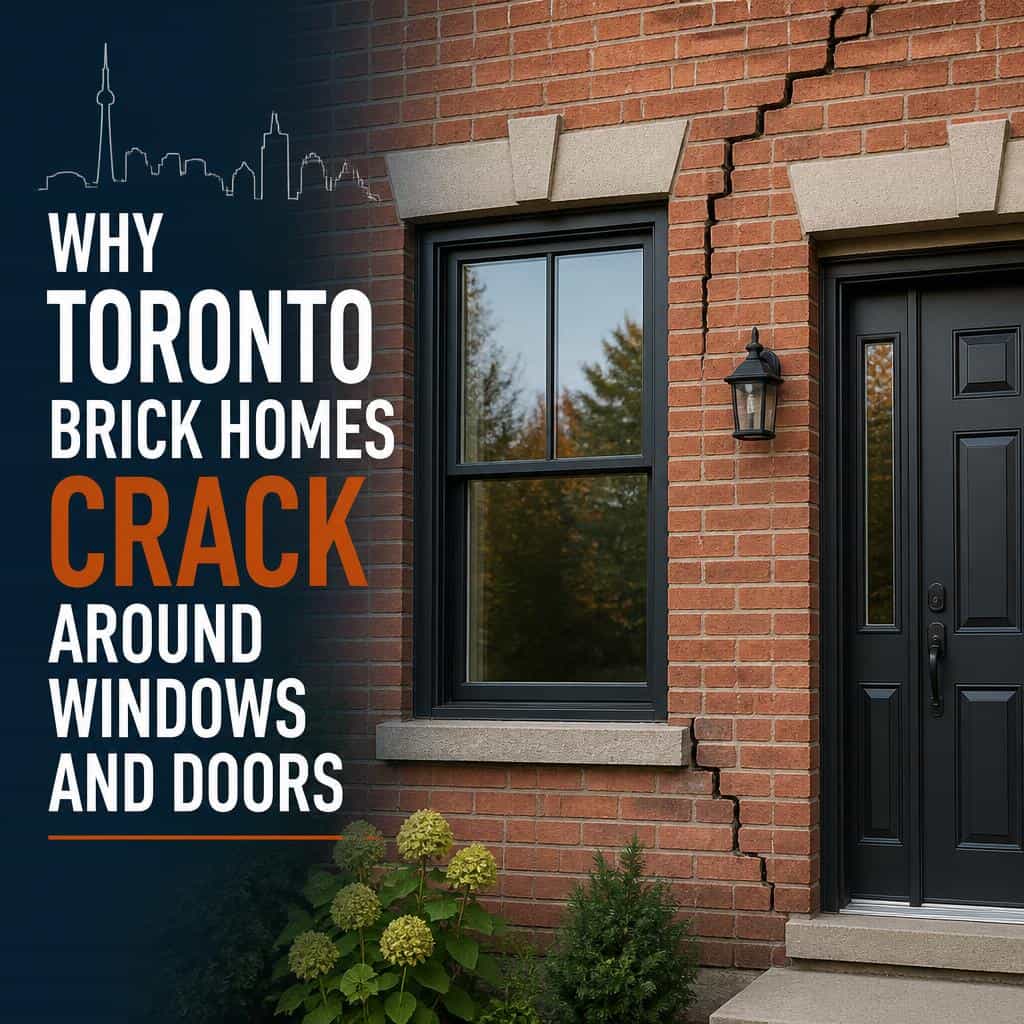
- There are deep cracks running through individual bricks.
- Bricks are loose, broken, or have shifted out of place.
- Previous repairs used the wrong type of brick or mortar and have started to fail.
In many cases, brick replacement is done along with repointing nearby joints to ensure the repair area is strong and weather‑tight.
Simple Side‑by‑Side Comparison
Use this as a quick way to explain the differences:
- Repointing
- Focus: The mortar joints.
- Goal: Restore strength and keep water out.
- Best for: Crumbling or missing mortar with mostly solid bricks.
- Tuckpointing
- Focus: Mortar joints and appearance.
- Goal: Repair joints and create crisp, clean lines for a polished look.
- Best for: Heritage façades or front elevations where looks matter.
- Brick replacement
- Focus: The bricks themselves.
- Goal: Remove and replace damaged bricks so the wall remains solid.
- Best for: Cracked, spalled, or loose bricks, often in specific areas.
You can think of repointing as maintenance, tuckpointing as maintenance plus a facelift, and brick replacement as necessary surgery for bricks that can no longer do their job.
How to Tell Which One You Might Need
You do not have to diagnose the problem perfectly, but certain signs tend to point toward one type of work more than others.
Signs you may need repointing:
- Mortar looks sandy, powdery, or is falling out of the joints.
- Joints are deeply recessed, and rainwater sits in the grooves.
- You see small gaps between bricks where mortar used to be.
Signs you may benefit from tuckpointing:
- The mortar is worn but not completely failing, and the wall still feels solid.
- The front of your home looks tired, and the joints appear uneven or messy.
- You own a heritage or older brick home and want to enhance its original character.
Signs you may need brick replacement:
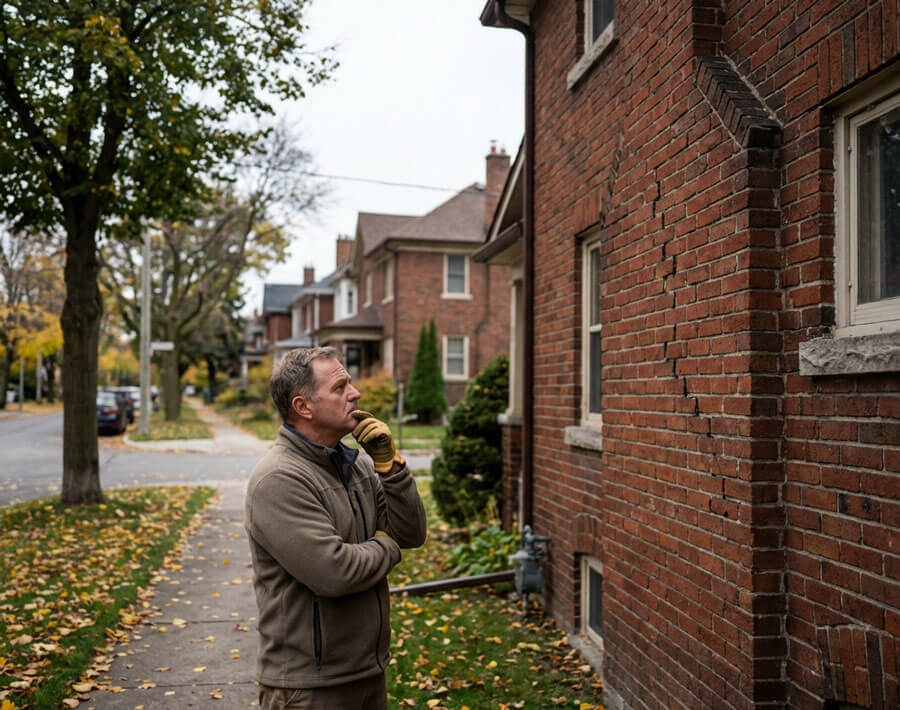
- Bricks have flaking faces, deep cracks, or pieces missing.
- Bricks feel loose when pressed, or you can see them shifting.
- There are bulges, bows, or localized areas that do not sit flat with the rest of the wall.
Often, a proper repair plan includes a mix of these services in different areas of the same wall or chimney.
Why Proper Mortar Matching Matters
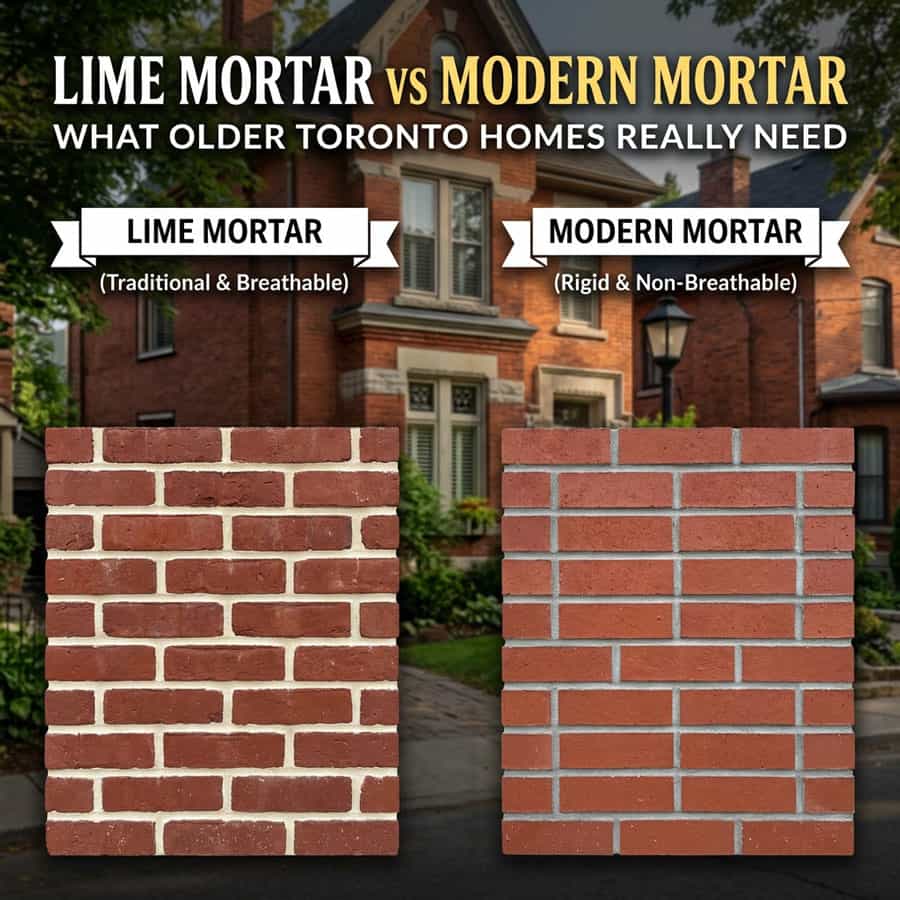
Mortar is not just “cement.” It is a carefully balanced mix designed to work with the type and age of your brick. Using a mortar that is too hard or too dense on older, softer bricks can cause more damage over time.
Good mortar matching also matters for appearance. If the colour or texture of the new joints is very different from the existing wall, the repair will stand out. A careful mason will test and adjust the mix so the repaired areas blend in as much as possible.
What to Expect from a Professional Inspection
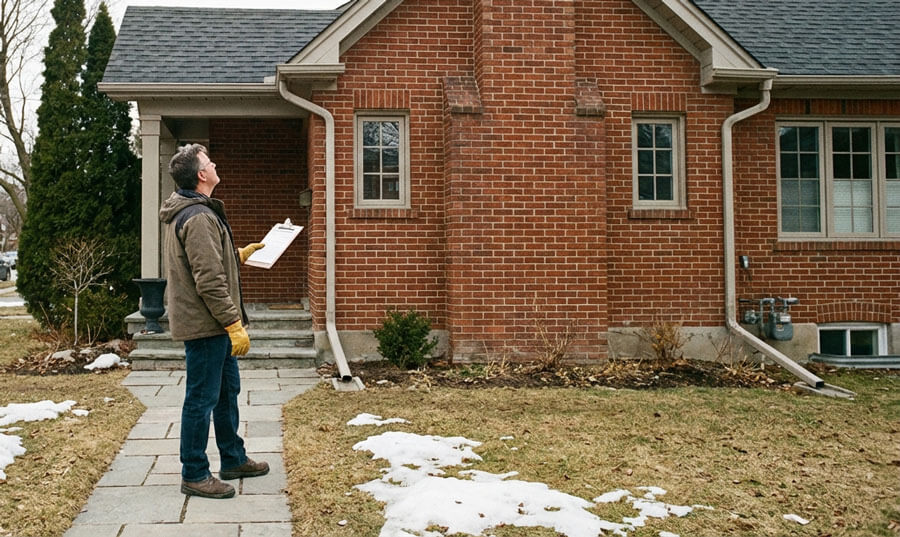
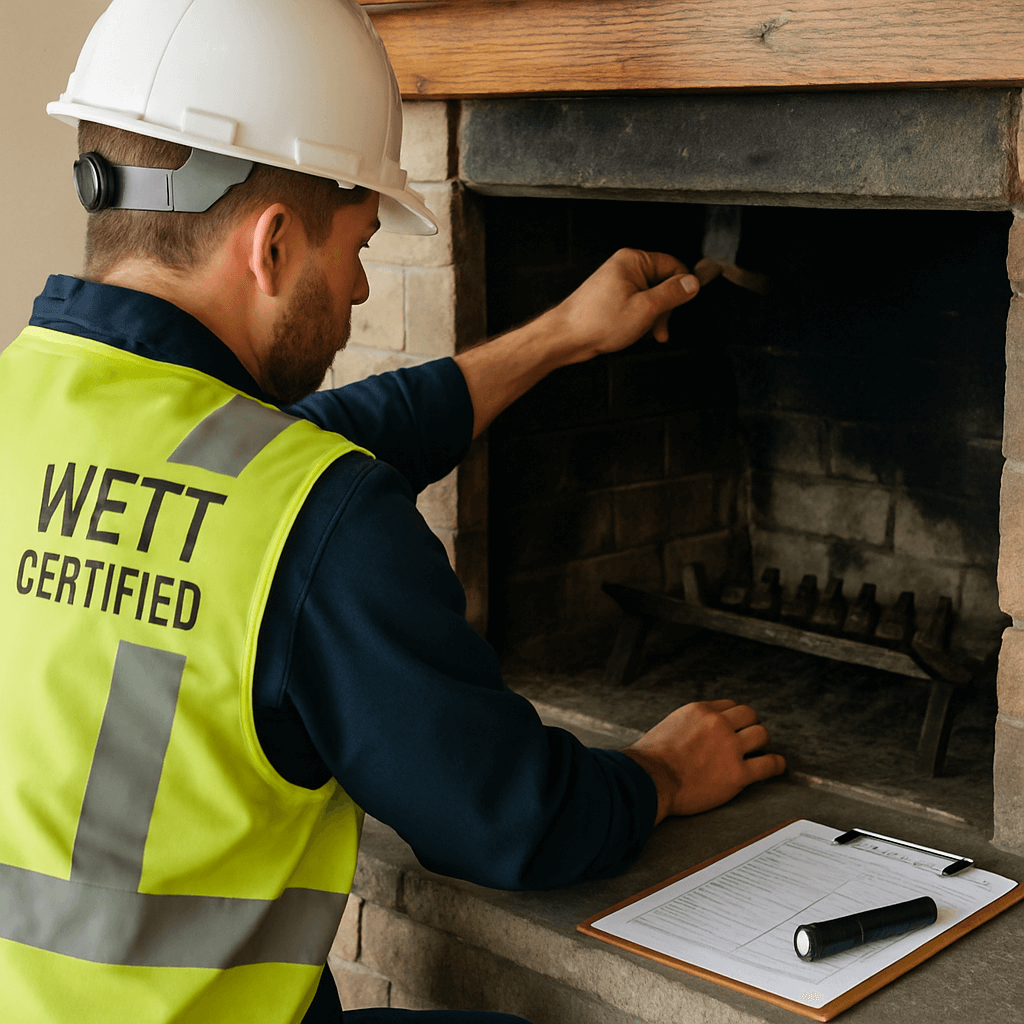
When you call a masonry professional to look at your brickwork, they should do more than glance at one damaged spot and give you a number.
A proper inspection typically includes:
- Looking closely at the overall condition of your bricks and mortar, not just the worst area.
- Checking for signs of movement, bulging, or leaning in walls or chimneys.
- Looking for moisture paths, such as poor drainage, failing caulking, or damaged flashings.
- Explaining whether you need repointing, tuckpointing, brick replacement, or a combination.
You should come away from the visit with a clear understanding of what is being repaired, why it is necessary, and how it will help protect your home.
Questions to Ask Your Masonry Contractor
To feel confident in the work being done on your home, consider asking:
- Are you planning to repoint, tuckpoint, replace bricks, or a mix of these?
- How will you match the colour and hardness of the existing mortar?
- How will you protect nearby brick from damage during grinding and removal?
- Do you have photos of similar projects on homes like mine?
Straightforward answers to these questions are a good sign that you are working with a contractor who knows the difference between quick patchwork and long‑term repairs.
Protecting Your Brick Home for the Long Term
Understanding the difference between tuckpointing, repointing, and brick replacement is a powerful first step in taking care of your masonry. When you know what these terms mean, it becomes easier to recognise issues early, have better conversations with contractors, and choose repairs that protect your home.
If you are seeing cracked mortar, tired‑looking joints, or damaged bricks, scheduling a professional inspection now can prevent small problems from becoming major structural or safety issues later.